

Your credit
92 cm²: The only piece of rubber separating you from the asphalt
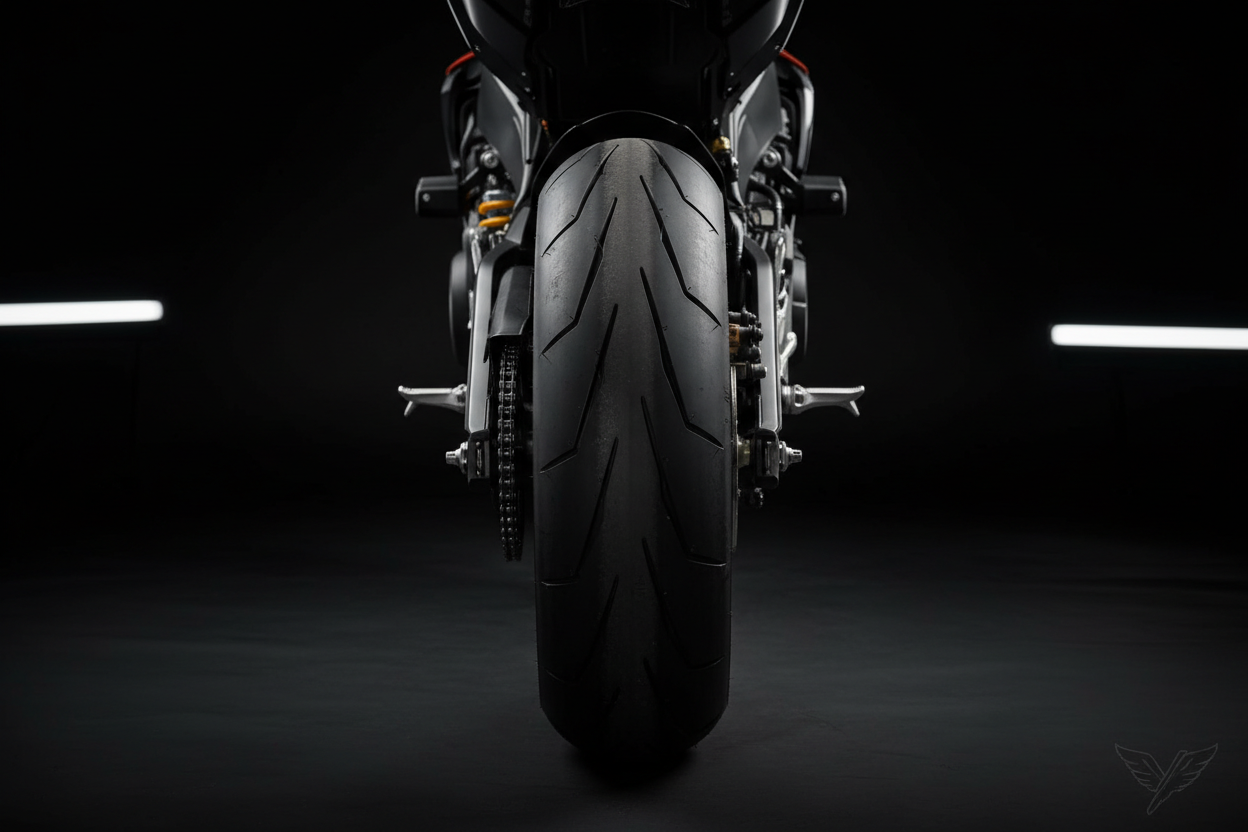
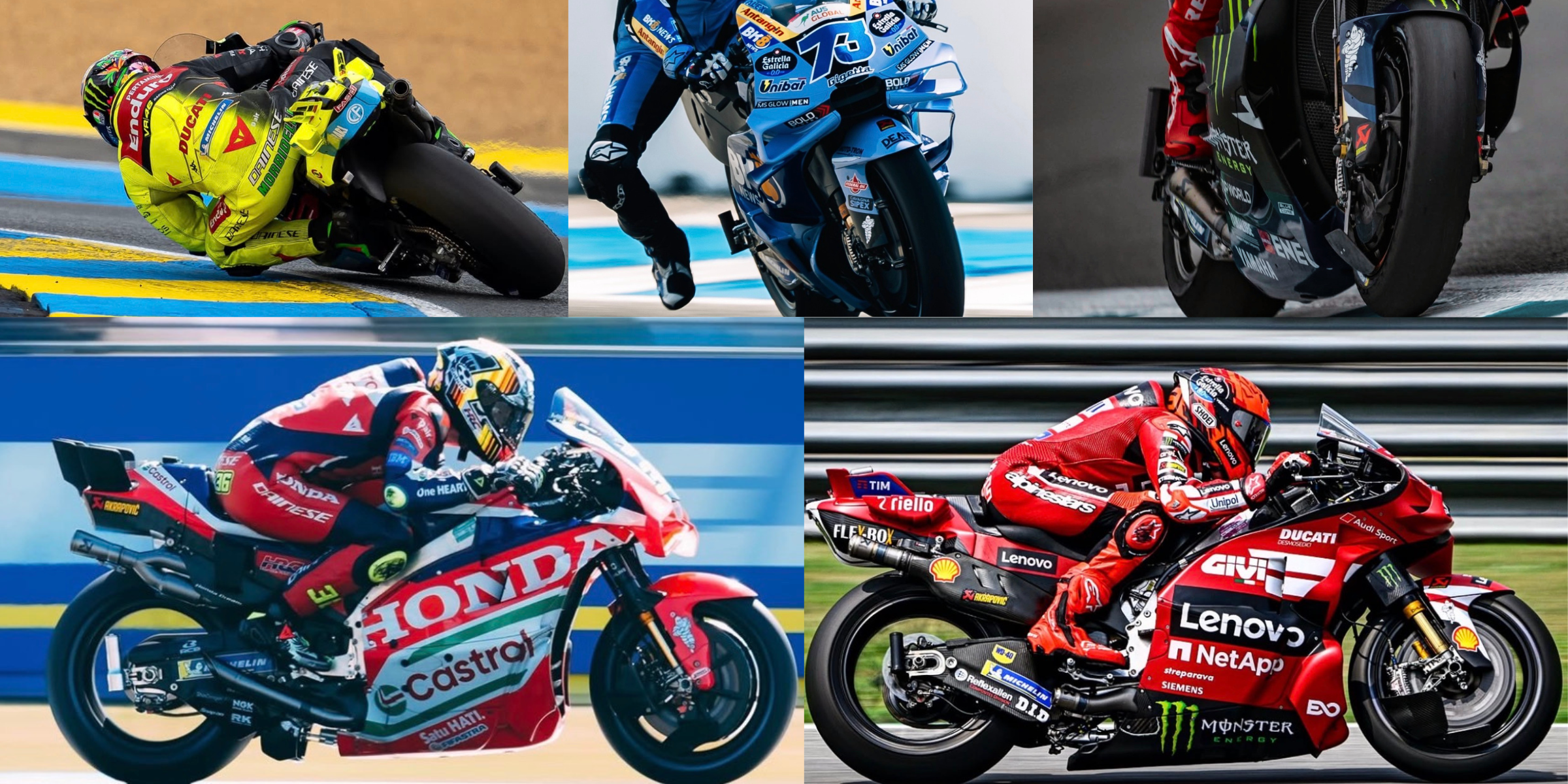
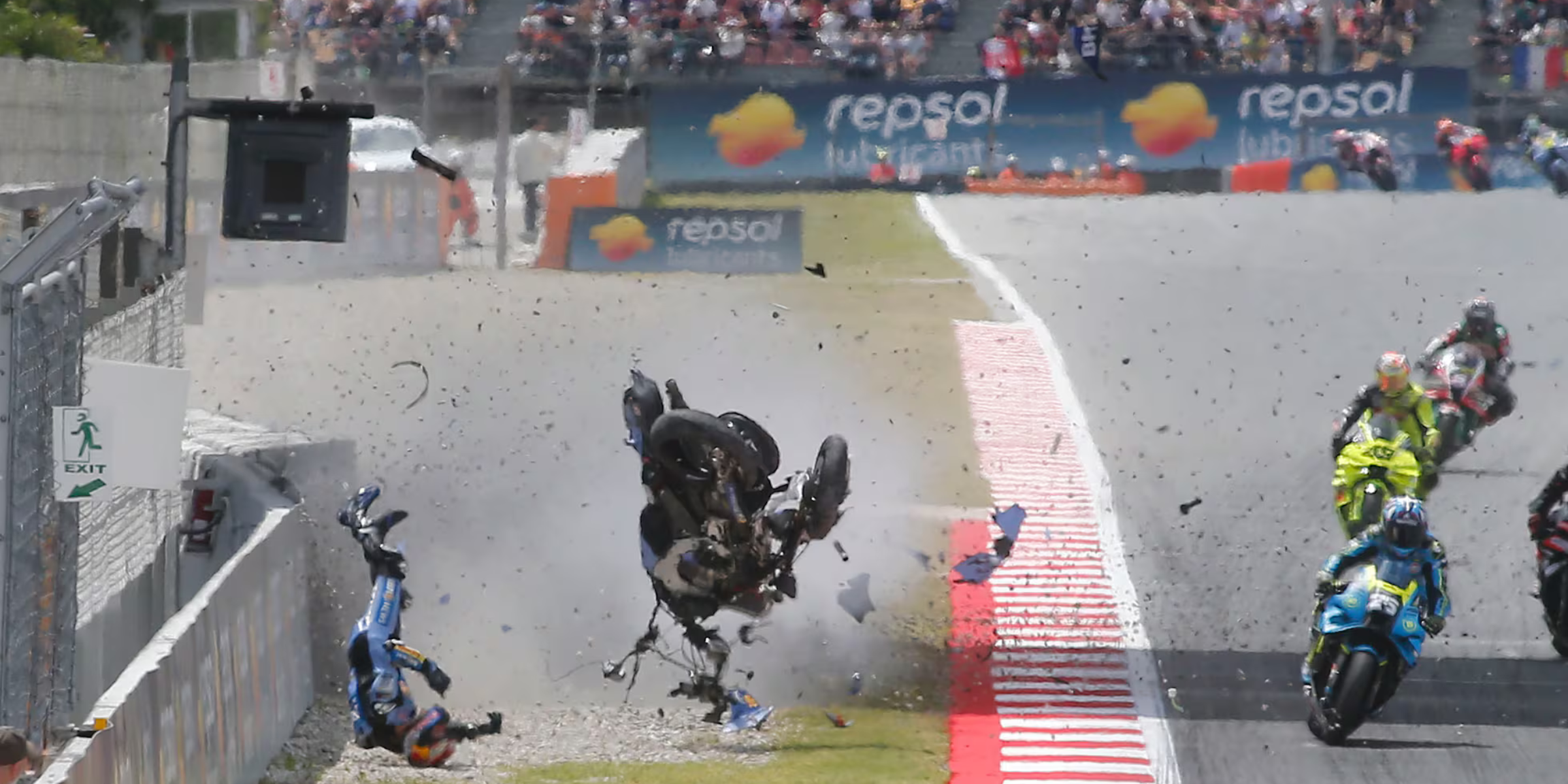
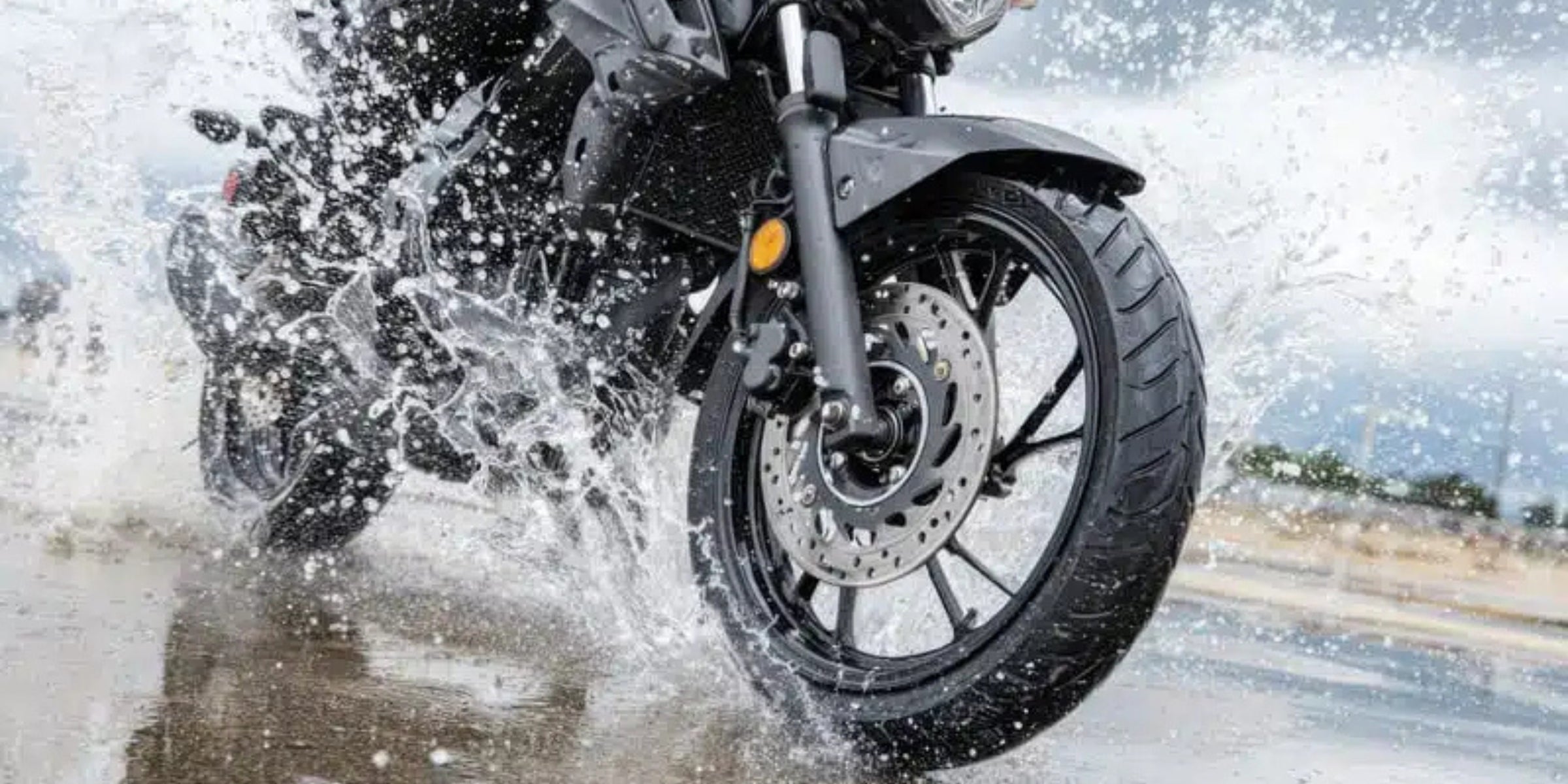
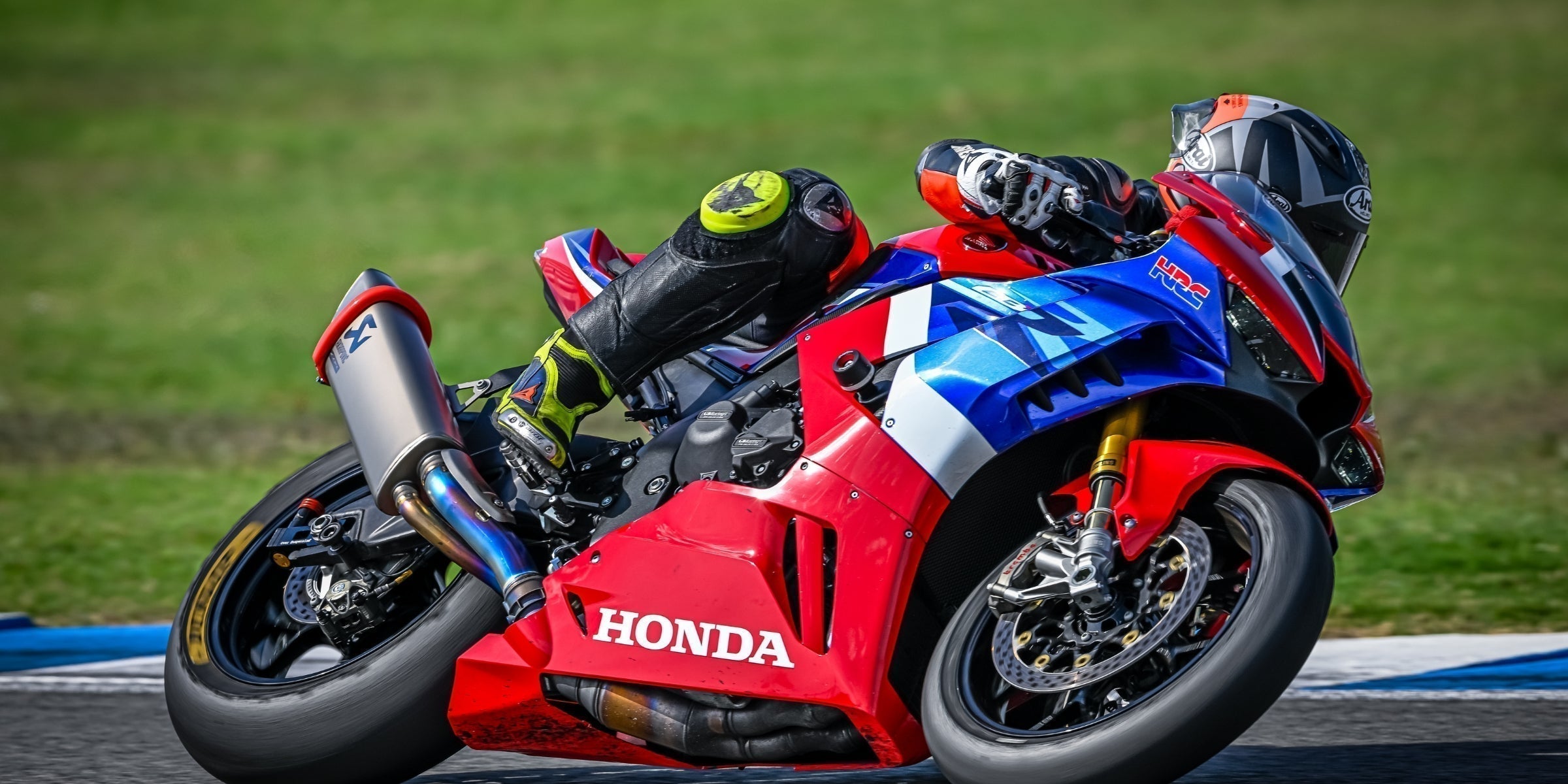
For most people, a motorcycle is power, sound, freedom. But for those who understand dynamics, a motorcycle is above all this: two patches of rubber the size of a credit card each, resting on the asphalt, supporting all the weight, all the speed, and all the forces generated in motion.
92 cm² in total. Less than the palm of your hand.
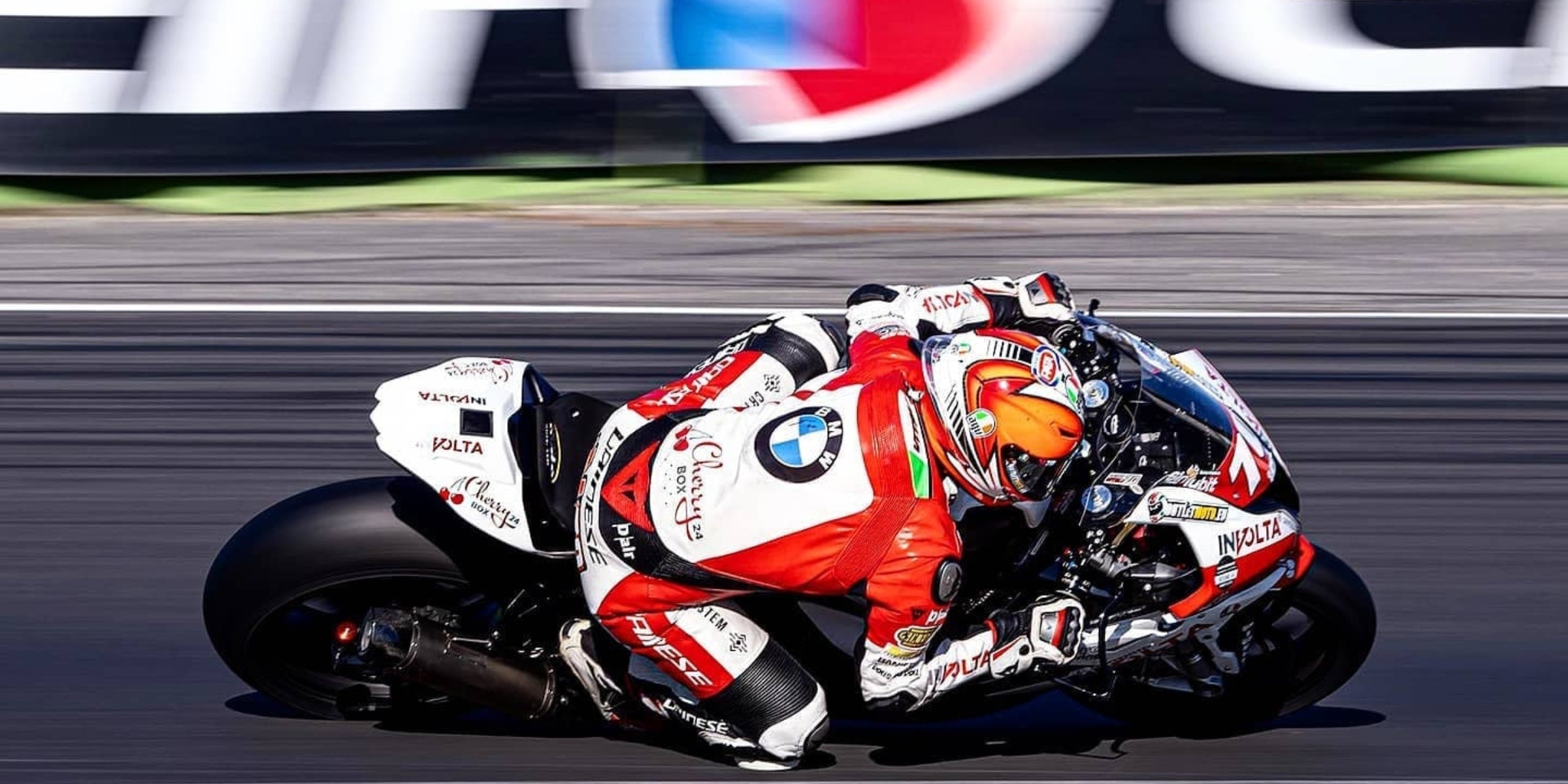
On this ridiculously small surface, absolutely everything is concentrated: braking, cornering, acceleration, stability. Everything that keeps you upright and not on the ground. It is the only real point of contact between you and the world. And it is much more fragile than it seems.
The tire is not static. It breathes. And when it breathes, it disappears.
Here's what very few people know.
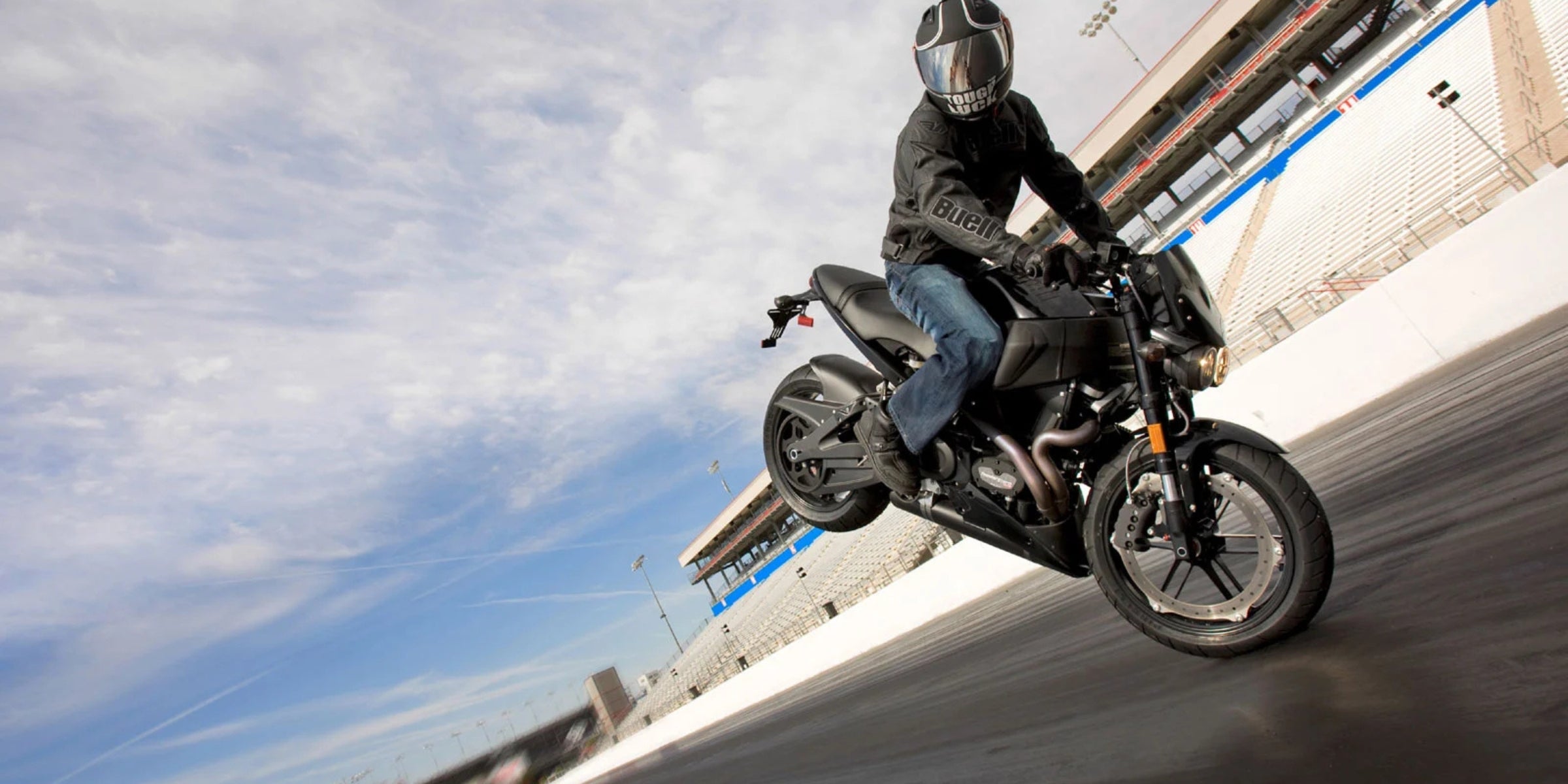
A tire does not remain still while rolling. The inherent elasticity of the rubber causes the tire to bounce upwards with every imperfection in the terrain, every crack, every bump, every change in asphalt texture. It is its nature. It is pure physics.
The problem is what happens during that rebound.
For milliseconds, the tread deforms upwards and you lose half of the contact patch. The central part of the rubber lifts. Grip is halved. And you, meanwhile, continue at the same speed, in the same curve, with the same confidence in a motorcycle that at that instant has half the grip you think it has.
You don't feel it. You don't see it. There's no signal on the dashboard to tell you.
It just happens. Thousands of times per kilometer.
The problem is not the tire. It's what happens between the tire and the ground.
For decades, the industry has worked to improve compounds, patterns, and internal tire technology. And it has made great progress. But the underlying problem remains the same: no one controlled what happened in that contact patch in real time.
Traditional suspensions work with information that reaches the chassis. They react when the movement has already occurred. By the time conventional electronics detect a loss of grip, the rubber has already lost contact with the asphalt.
At oversuspension, we work precisely in that interval. In those milliseconds that no one sees. Because it is there, in that invisible space between the rubber and the ground, where it is decided whether you keep rolling or not.
The contact surface of your motorcycle tires with the ground is similar to that of two credit cards.
Your safety depends on 92 cm2.
The upward elasticity of your tire means that for milliseconds you lose half of your tread.
You don't notice it, but it happens thousands of times per kilometer. Oversuspension acts where you cannot. → FIND YOUR KIT