


The price of the rebound: what it costs you in money, in safety, and in your own body
Rear-wheel bounce comes with three invisible costs: wear and tear on tires, drivetrain, and suspension; loss of traction, braking, and stability; and the physical fatigue the vibration leaves in yo...
Read more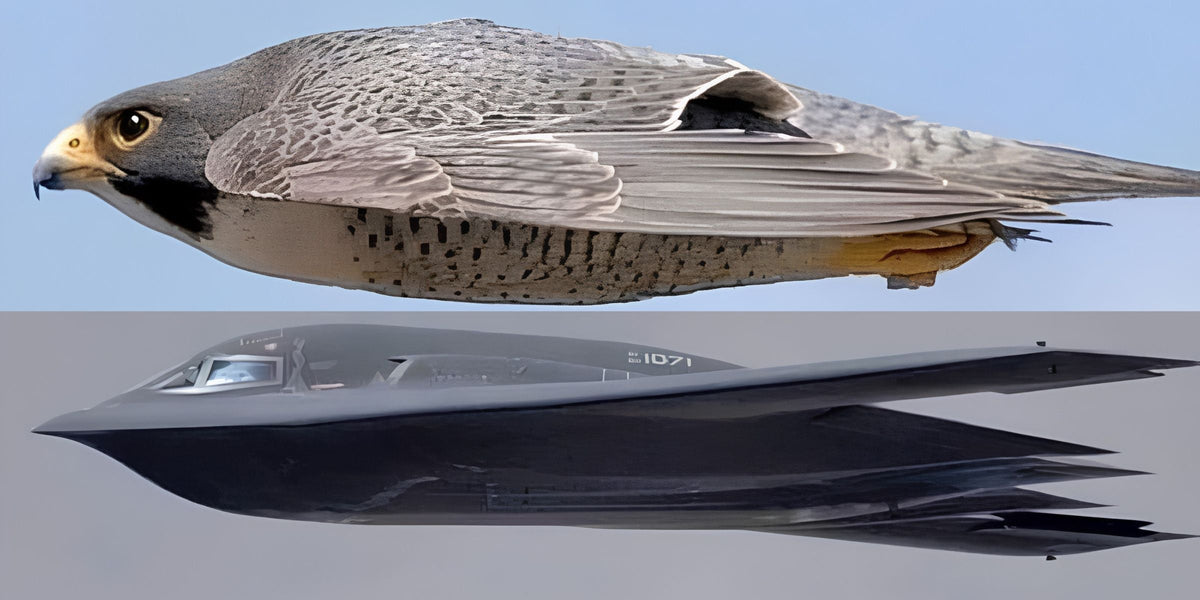
Why did nature solve this before engineering
The peregrine falcon applies aerodynamics it never studied. We explain why physics works whether we understand it or not, and how changing the point of observation solved the tire bounce.
Read more
Resonance: the force that collapses bridges and the one that keeps you glued to the ground
Resonance destroyed the Tacoma Narrows Bridge in 1940. The same physical principle, in anti-phase, is what keeps your tire glued to the road. Here is how.
Read more
Energy is neither created nor destroyed. That's why your rebound has to go somewhere.
The first law of thermodynamics explains why your tire's bounce doesn't just disappear. We explain how the Gravitational Resonator redirects it toward grip instead of letting it turn into damage.
Read more
The coefficient of friction is not a constant: it's a negotiation between rubber and road
Grip is not a fixed number: it depends on the force pressing the rubber against the ground, and rebound makes it fluctuate. We explain why stabilizing that force is what maintains real grip.
Read more
The invisible gyroscope: why your motorcycle stays upright on its own (and what makes it unstable)
A spinning wheel is a gyroscope that keeps your bike stable, but only while it’s on the ground. We explain how tire bounce interrupts that effect, and how the Resonator keeps it anchored.
Read more
Impulse and Momentum: Why Not Just How Much Force, but When, Matters
A force at the right moment is worth more than a greater force at the wrong moment. We explain, using the physics of impulse, why the Resonator counteracts rebound where the suspension is too late.
Read more
Where does the sensor go on the Oversuspension?
No sensors, no control unit, no battery. We explain why the Resonator's mechanical response reaches where no electronic chain can, and why that design choice enables a lifetime warranty.
Read more
The difference between fear and respect on a motorcycle
Fear comes from not understanding what's happening beneath you. Respect, from understanding it and choosing your limits. We explain why knowledge transforms the way you ride and where the Gravitati...
Read more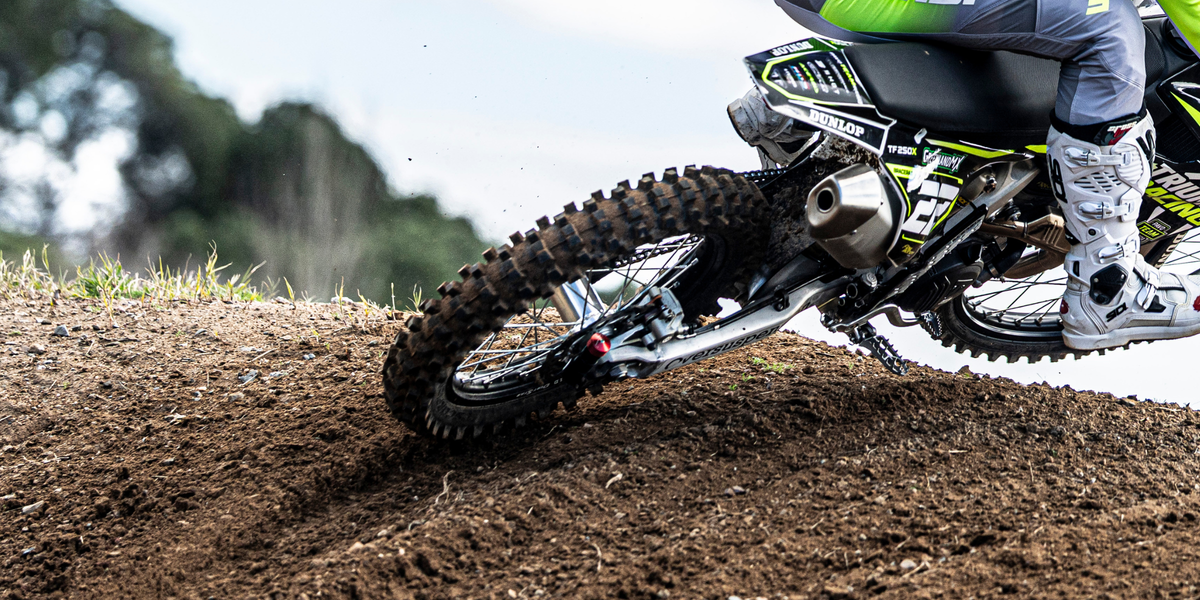
Off-road: where the bounce isn't hidden
On land, the tire's takeoff isn't invisible: it's the entire terrain. We explain how the Gravitational Resonator works in enduro and motocross, and why it was born being tested in the mud.
Read more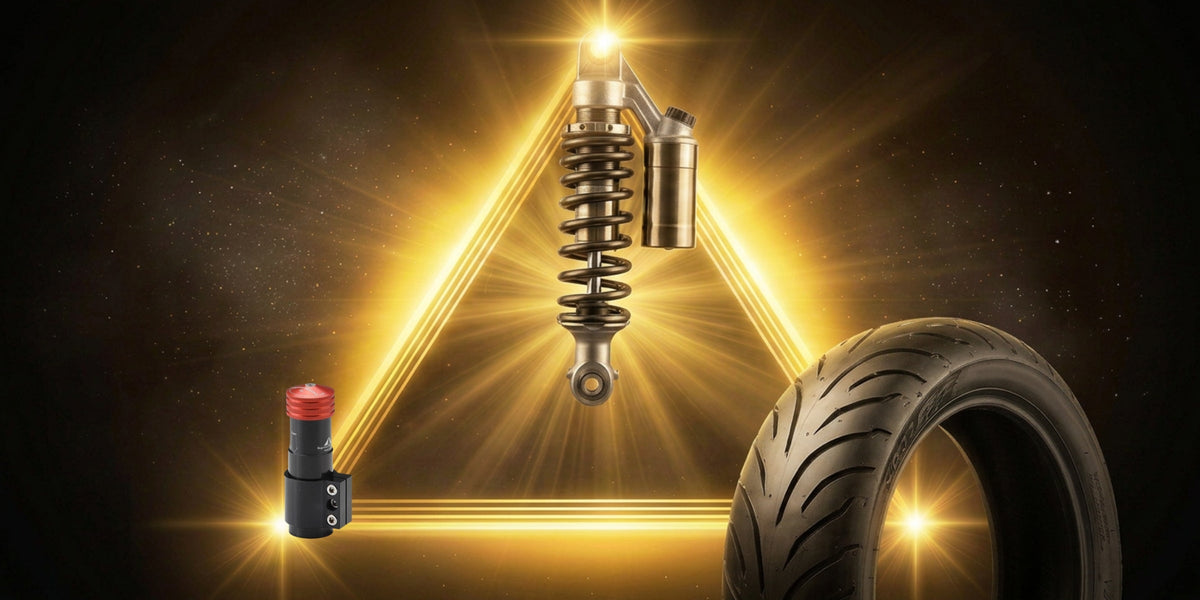
Well-regulated suspension, correctly inflated tires, and Oversuspension. Three elements, each solving what the others cannot. We explain why, together, they are the best a rider can aspire to.
Read more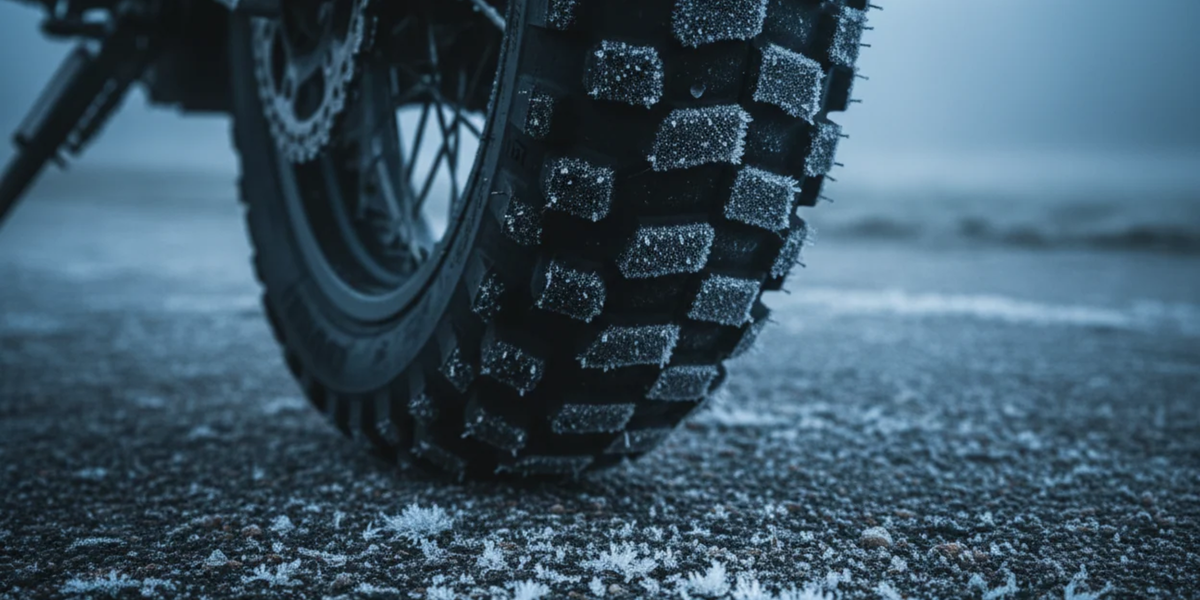
Cold rubber has less hysteresis: it grips less and bounces more. We explain what happens in the first kilometers of each ride and why the Gravitational Resonator works the same with cold or hot rub...
Read more
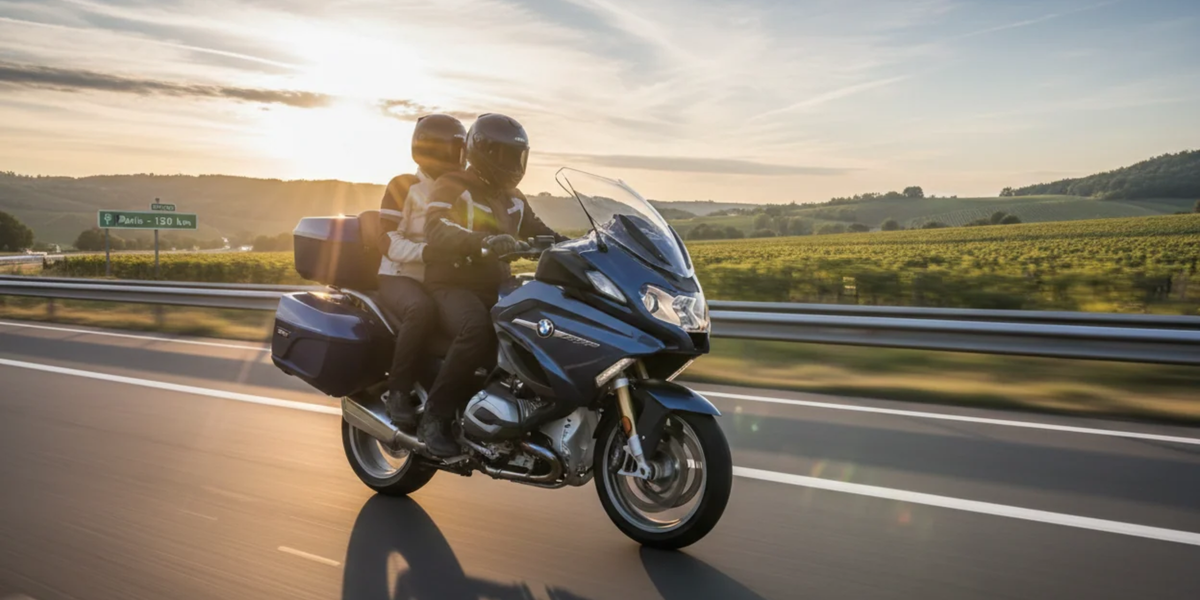
The passenger and luggage change the natural frequency of your suspension and worsen tire bounce. We explain what happens to your loaded motorcycle and how the Gravitational Resonator adjustment ad...
Read more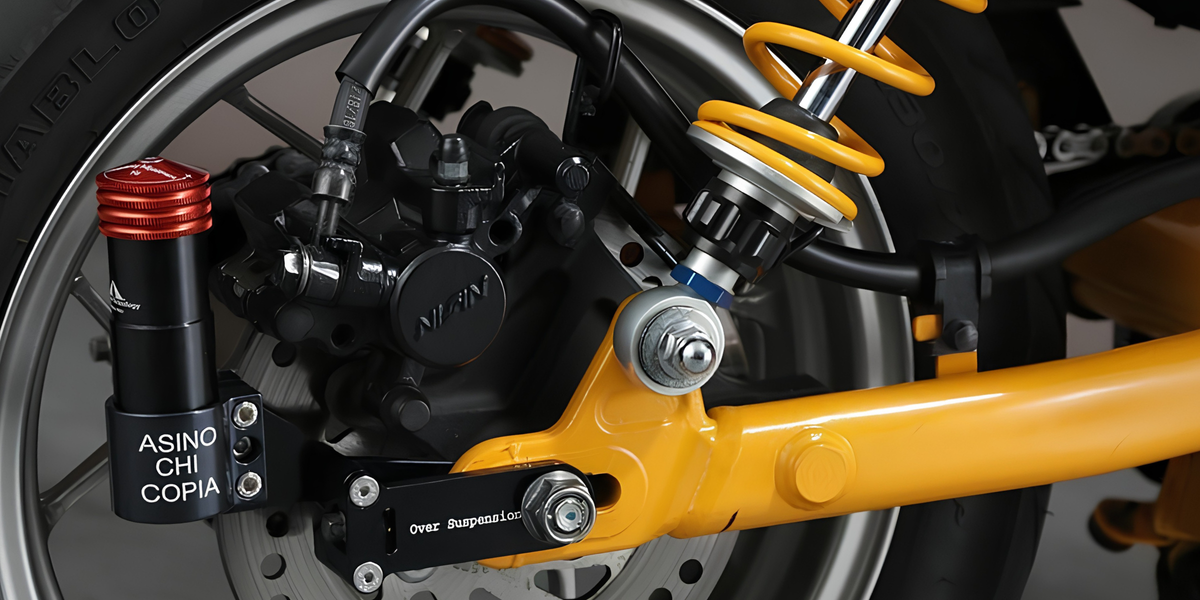
Your motorcycle's suspension works between 1 and 3 Hz. Tire bounce occurs on a much faster scale. We explain the 2 to 35 Hz range of the Gravitational Resonator and why it doesn't compete with your...
Read more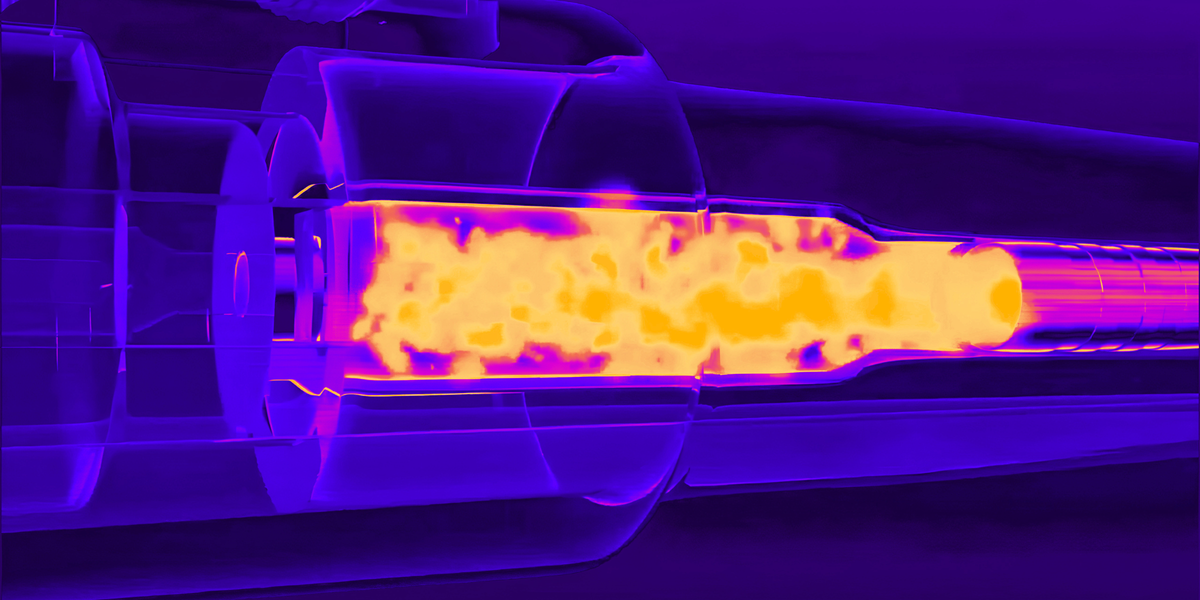
It looks more like a weapon than a suspension
The Oversuspension Gravitational Resonator works on the same principle as a gun: preload, free mass, and firing. We explain where they are similar, where the analogy breaks down, and why that is pr...
Read more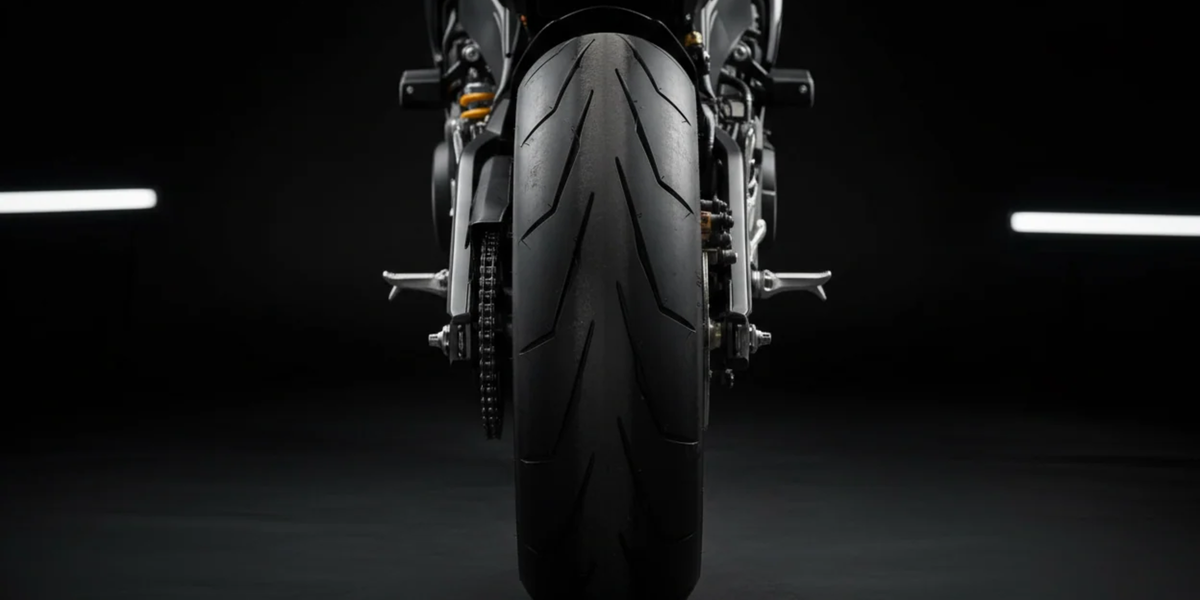
Staying connected to the ground
"The mission of the wheel is simple: to stay glued to the ground." What happens when the tire loses contact and why Oversuspension prevents it. By Nicola Bragagnolo.
Read more
Ducati Corse, VR46, HRC, Yamaha, and KTM use the Oversuspension Gravitational Resonator in MotoGP. Discover the elite technology you can now have on your motorcycle.
Read more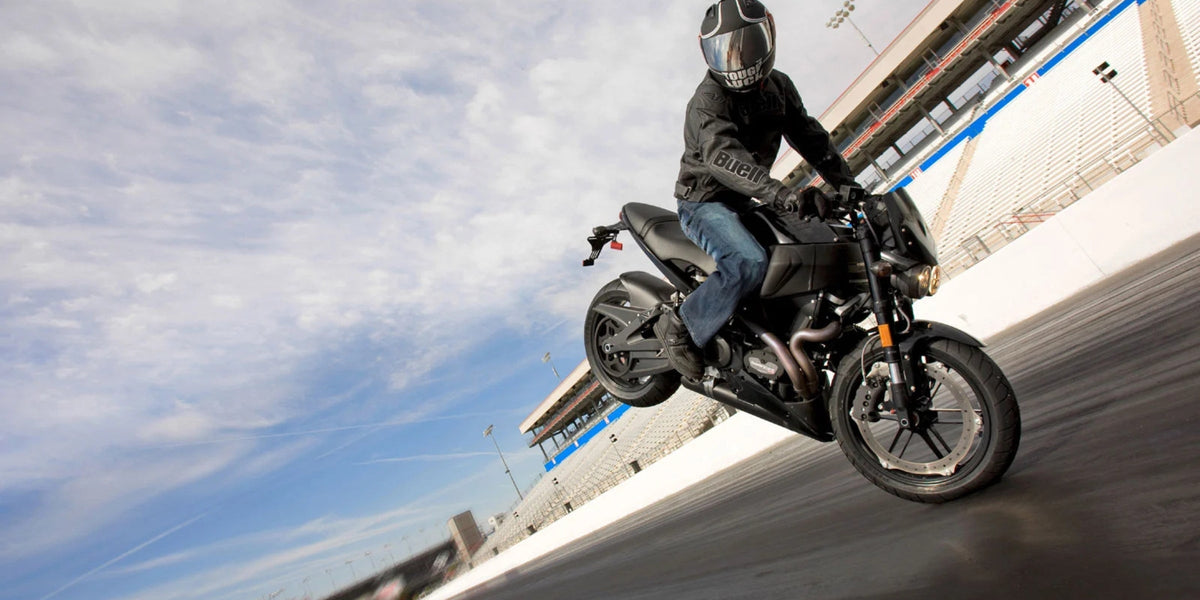
Why does your motorcycle tire bounce? Compressed air turns it into an undamped spring. We explain the physics of the bounce and how to control it.
Read more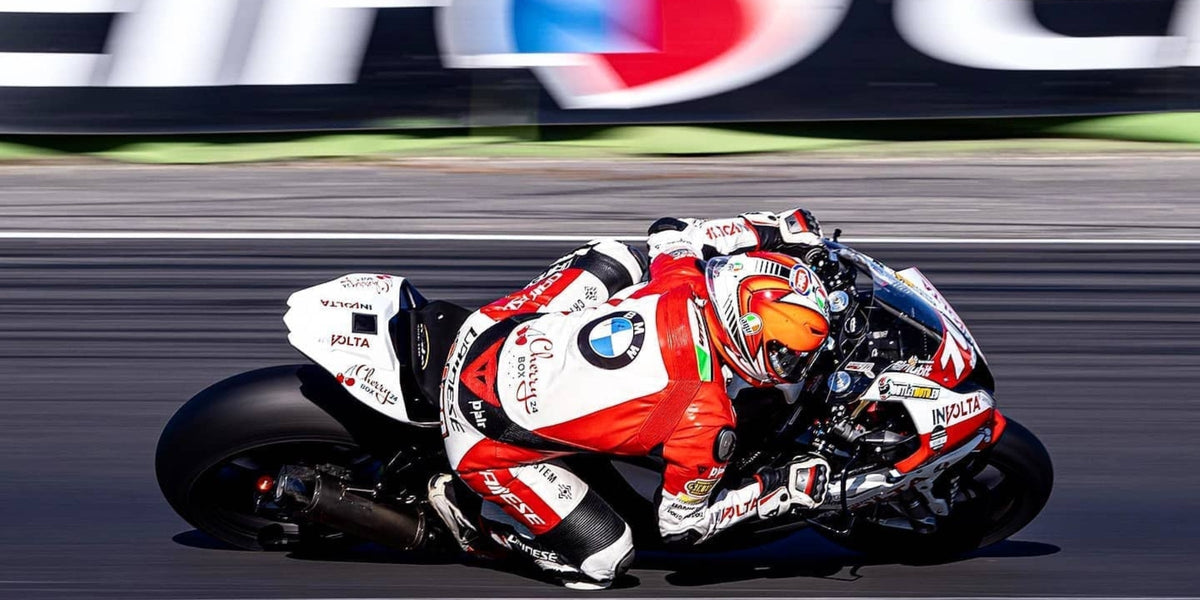
Your body on a motorcycle releases 5 chemicals that transform your mood: dopamine, adrenaline, endorphins, oxytocin, and serotonin. But when fear strikes, the body switches from pleasure mode to su...
Read more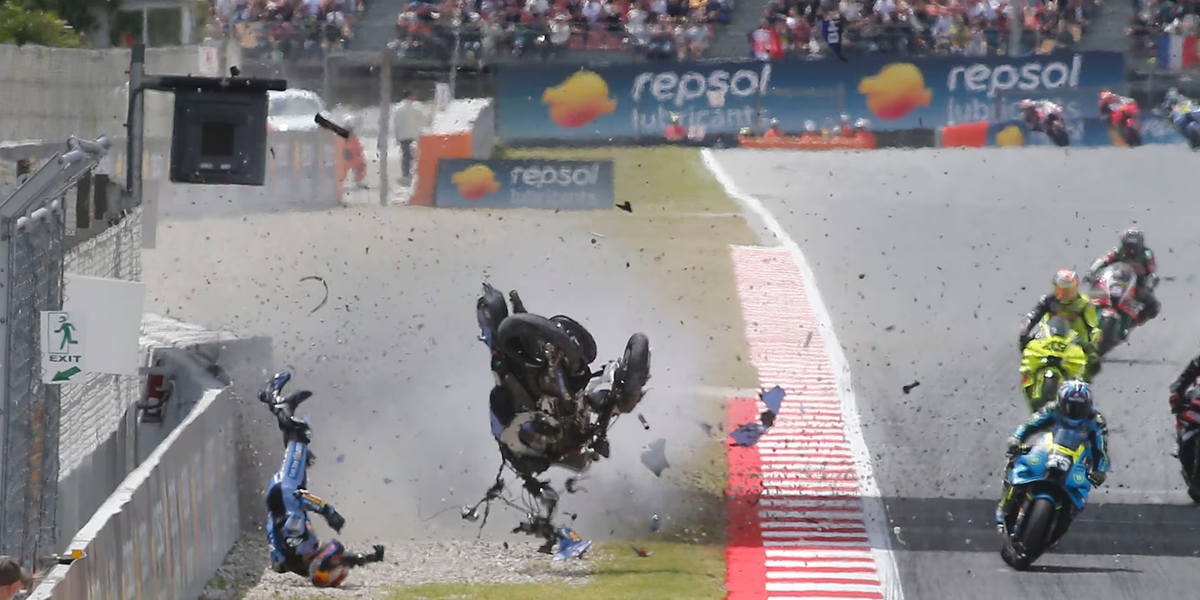
On the road, there are no escape routes. Discover why control, traction, and keeping the tire glued to the asphalt can make the difference between avoiding an accident and suffering its consequences.
Read more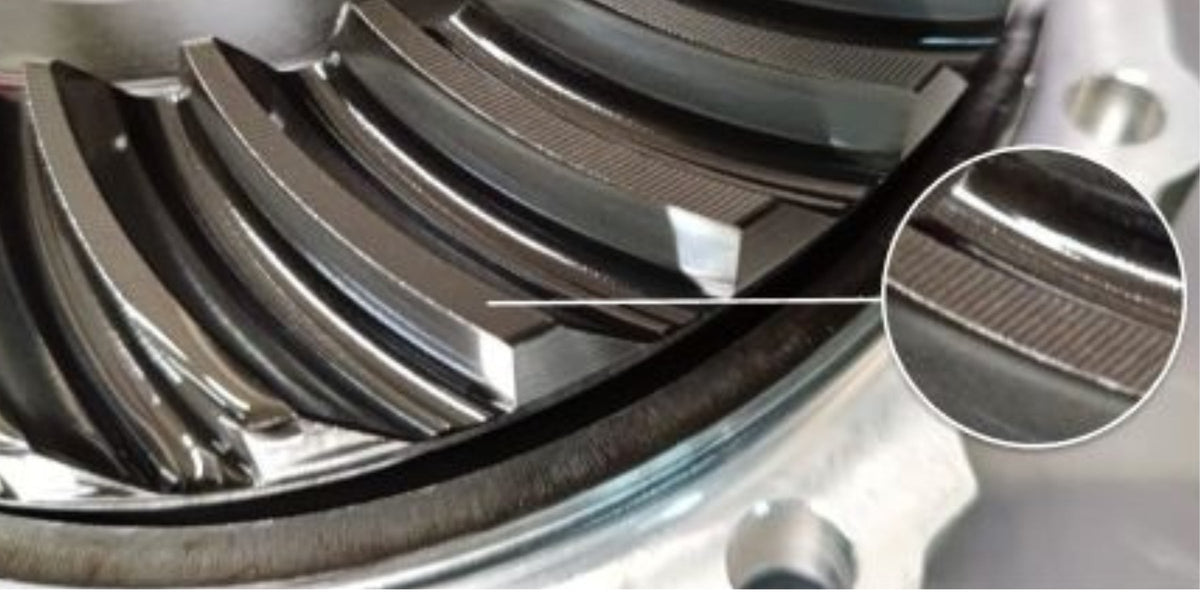
Tire bounce silently wears down your transmission: vibrations that cause pitting in the gears, leading to failure. We explain how to prevent it.
Read more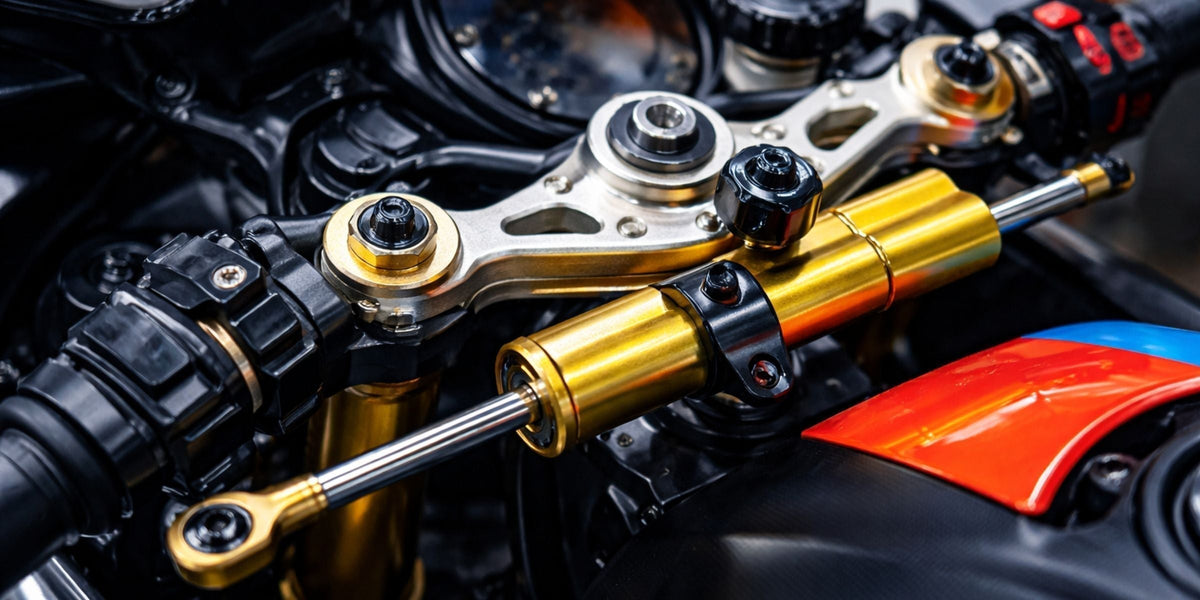
Same problem, on the other wheel
You accept the steering damper without question: a specific device for oscillations that the fork does not manage. The rear wheel has the same problem and had been without a solution for decades.
Read more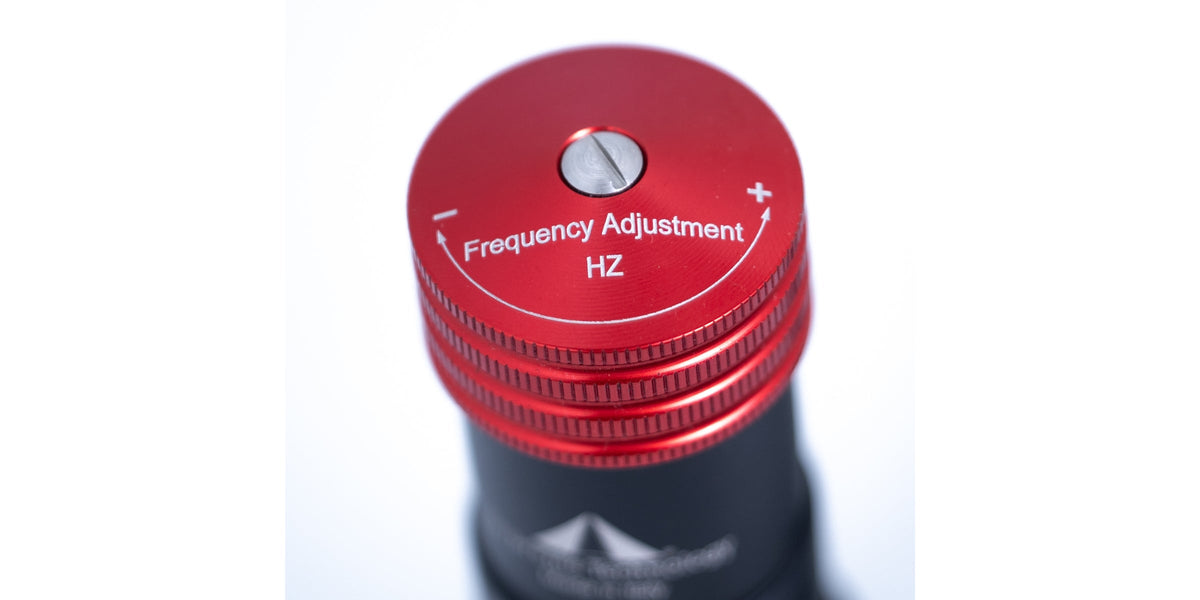
Learn how to adjust the frequency of the Oversuspension Gravitational Resonator according to the terrain. Hz regulation guide for maximum grip on your motorcycle.
Read more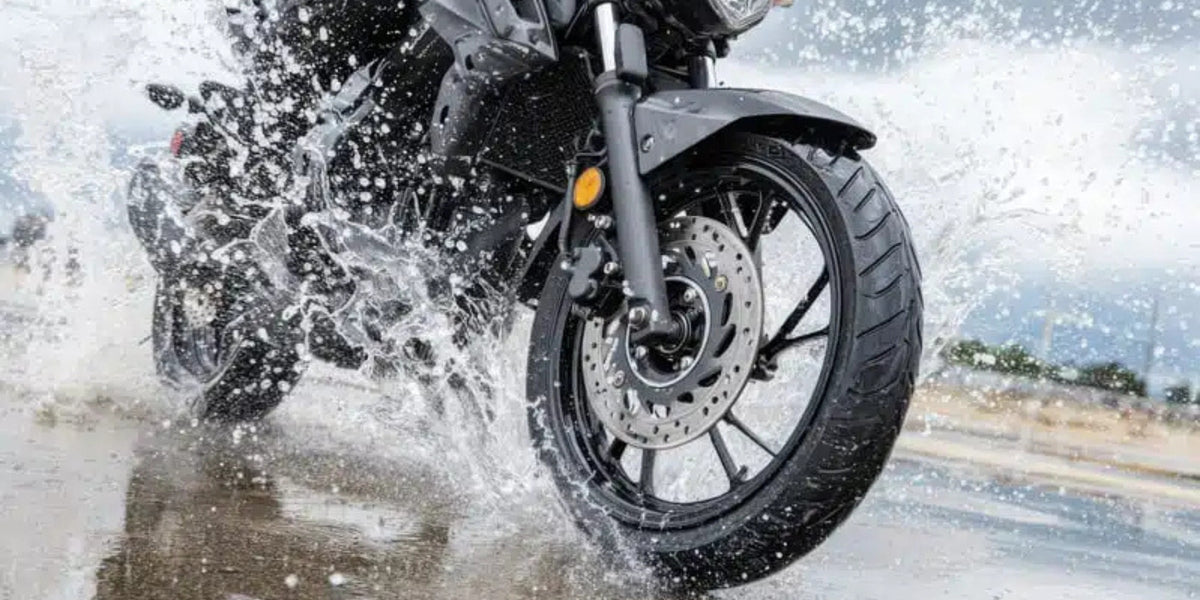
Aquaplaning: what happens before you lose control
Rain doesn't suddenly remove grip. It does so in stages. The most dangerous is when the tire starts to vibrate before losing contact. Oversuspension acts at that precise moment, in antiphase, pushi...
Read more
What is chattering in motorcycles and how does it affect traction and stability
Chattering is the high-frequency vibration of the rear wheel while cornering. It is neither a skid nor a slide. It is the tire losing and regaining contact with the asphalt at high speed. Oversuspe...
Read more
Maximum traction, lane changing, and the worst road surface, all at once. We explain what happens to the rear tire during an overtake and why continuous traction translates into a margin of safety.
Read more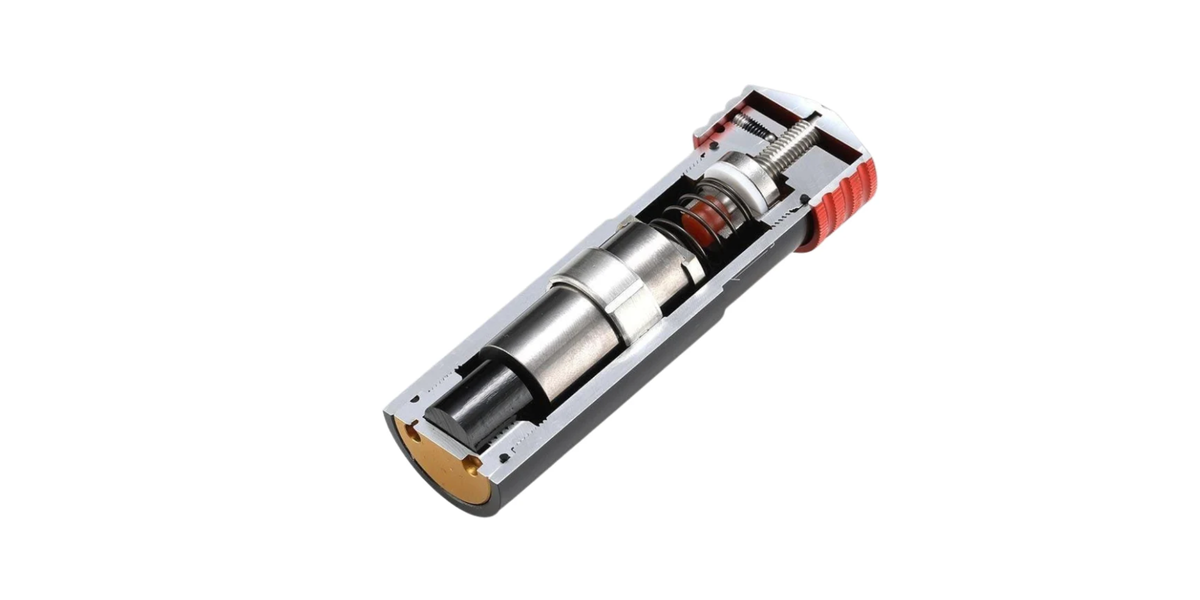
How Oversuspension works: it takes the energy from the impact, stores it, and returns it to push the tire against the ground. The physics of the Resonator, explained.
Read more
The thermodynamics of the Gravitational Resonator: how Oversuspension applies the second law and reduces the entropy of the motorcycle-rider system. In the words of Nicola Bragagnolo.
Read more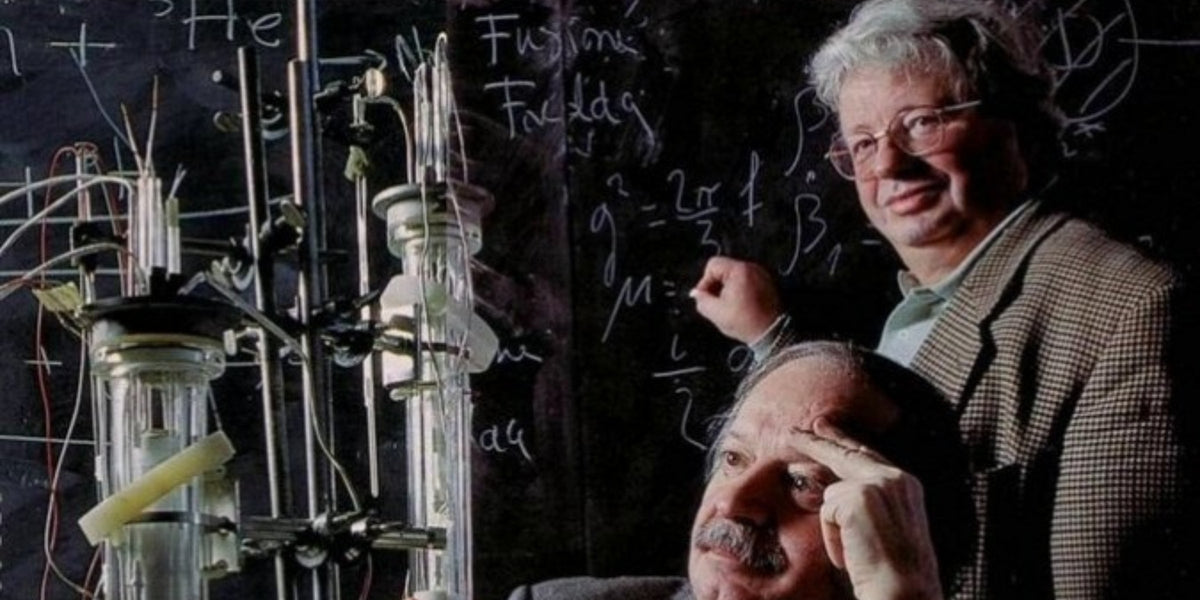
The physics behind Oversuspension: Preparata and Del Giudice’s coherence domain, and how it applies to your bike’s stability. Science turned into metal.
Read more
Entropy measures the degree of disorder in a system. When the wheel bounces less, we decrease entropy and bring coherence to the motorcycle-rider system. Oversuspension directly applies the second ...
Read more
Your motorcycle only touches the ground with 92 cm² of rubber. Discover why you lose grip without noticing it and how Oversuspension maintains tire-to-road contact.
Read more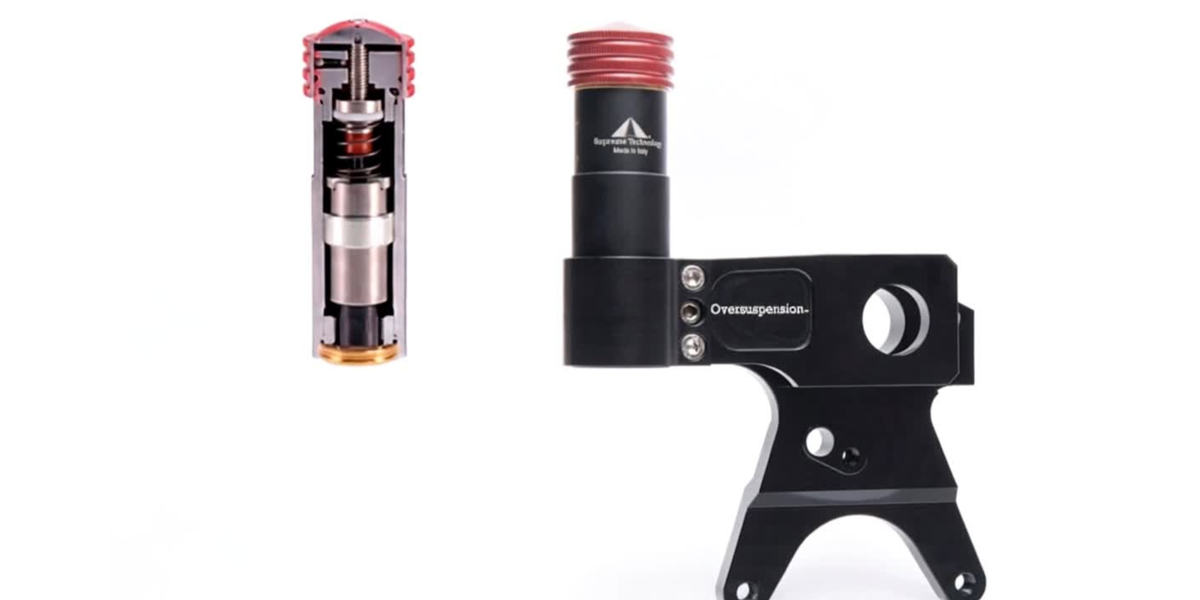
Why a Gravitational Resonator is not a mass damper
A mass damper attenuates vibrations through passive and symmetrical resonance. The Gravitational Resonator generates an active, directed force thanks to the ballistic component of its mass in free ...
Read more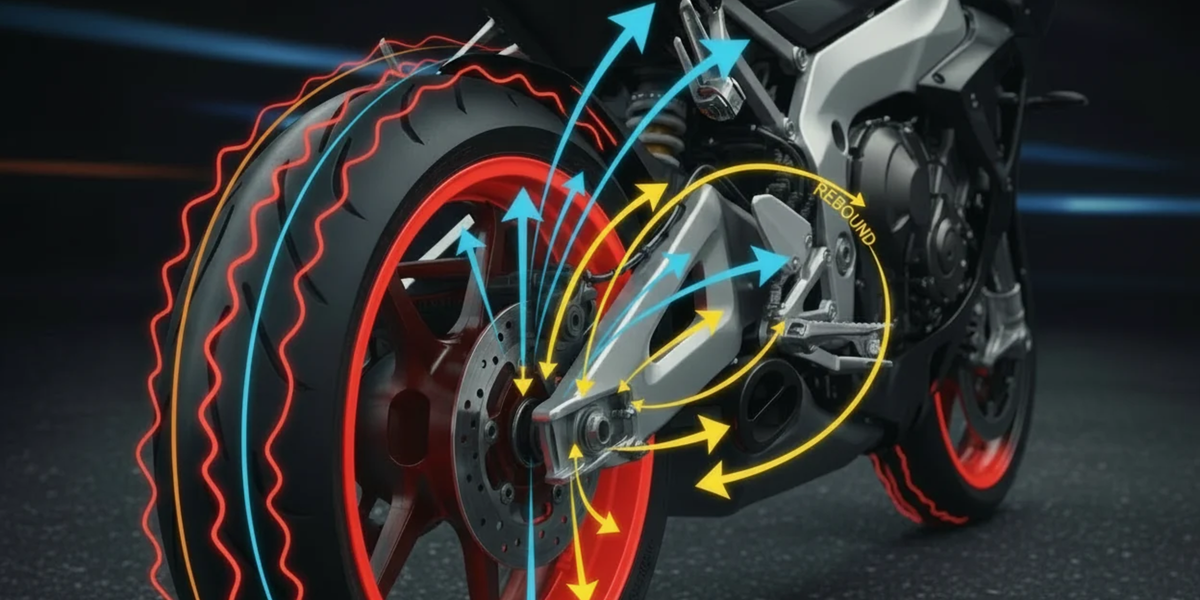
Why your suspension isn't managing your wheel's rebound
When the motorcycle is in use, the suspension is subjected to stresses that it cannot fully manage. The elastic rebound of the tire, out of phase with the suspension's trajectory, generates anomalo...
Read more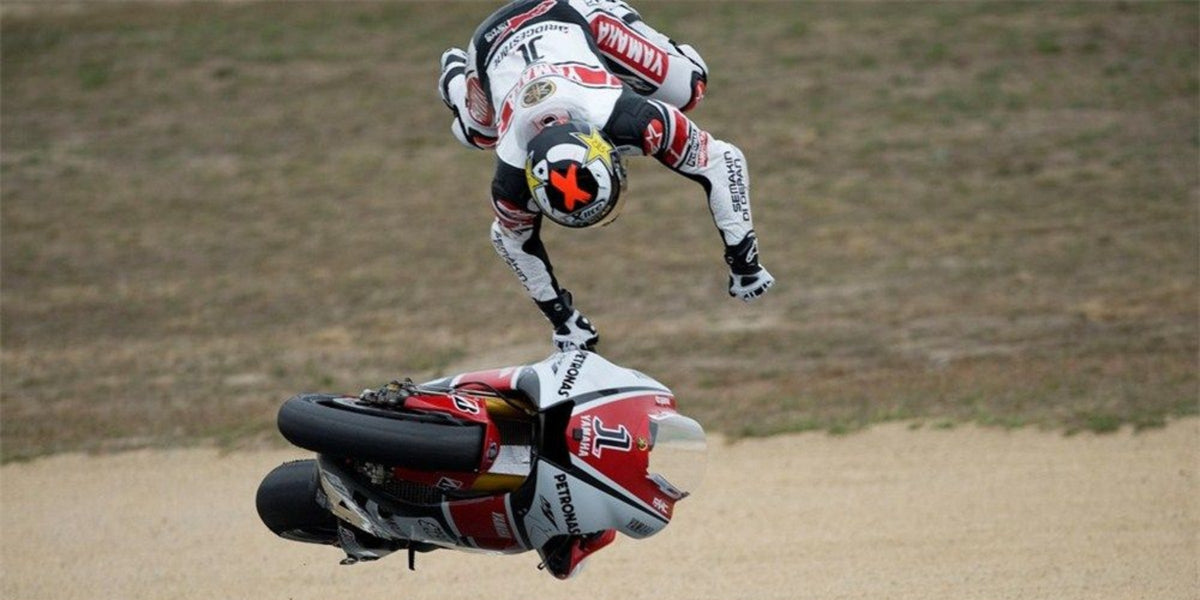
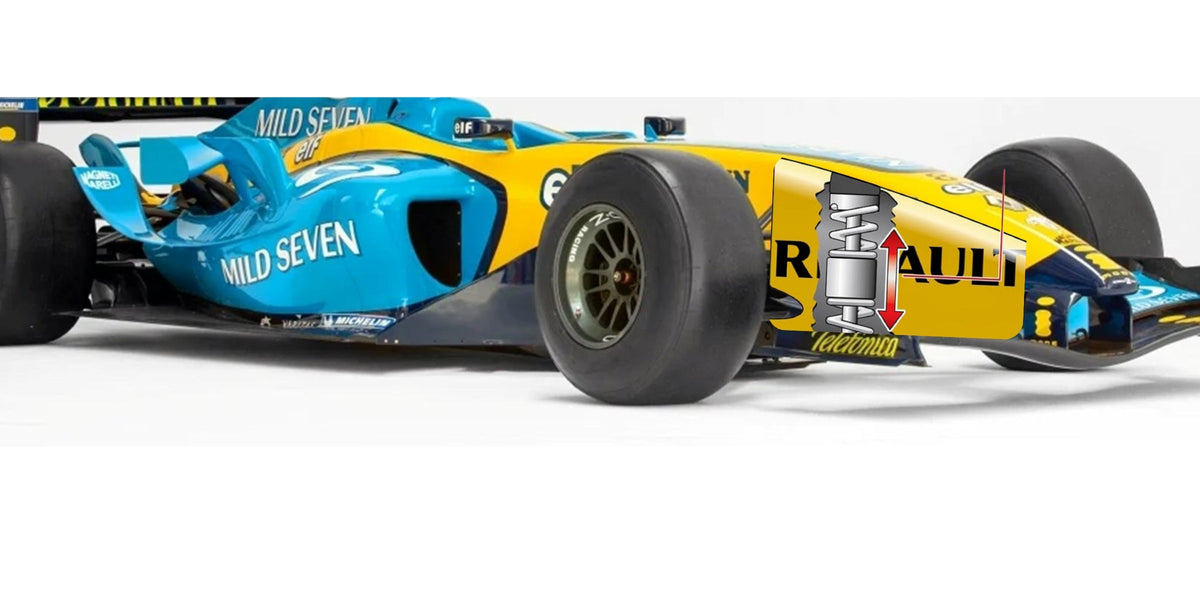
There is a term that the world of engineering has been using for decades to describe devices that add mass to a system to reduce vibrations. I am not that. I am a Gravitational Resonator. And the d...
Read more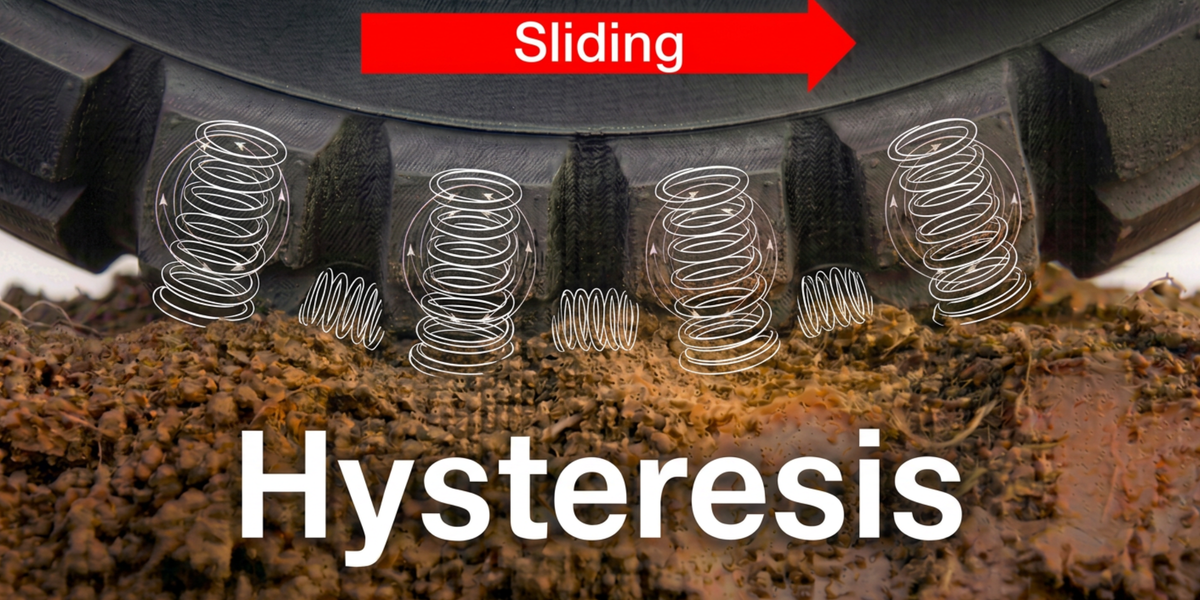
Hysteresis in the rear tire: the physics of grip that nobody explains to you
Rubber hysteresis determines the grip and durability of your rear tire. Silentblocks protect your transmission. But there is a rebound that no viscoelastic material can manage in time. Let us explain.
Read more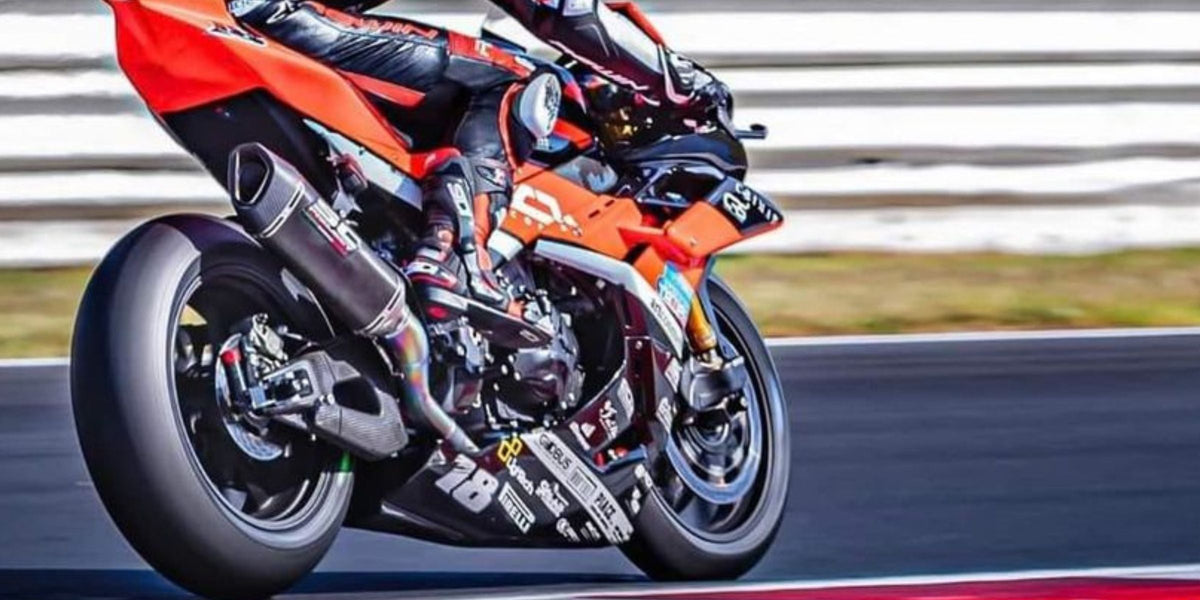
Tire bounce is not a track phenomenon: it is a tire phenomenon, and street asphalt is worse than that of a circuit. We explain why technology validated in MotoGP delivers something more valuable th...
Read more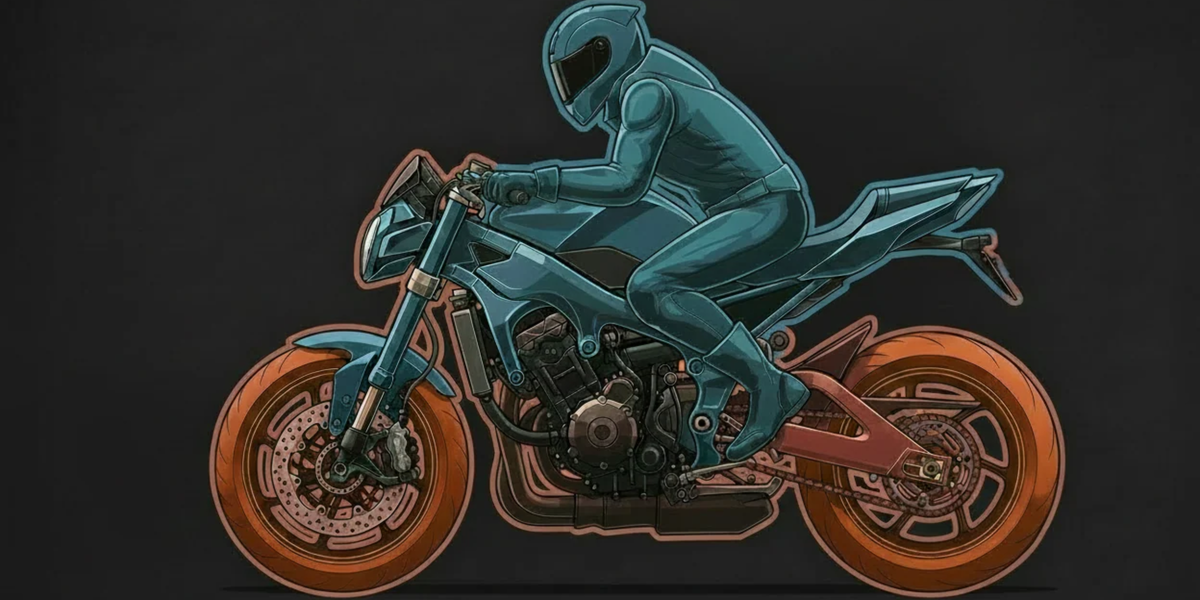
The rear wheel belongs to the unsprung mass group and its mission is to remain in contact with the ground. When it loses grip, skids, fishtailing, highsides, and oversteer occur. Oversuspension pre...
Read more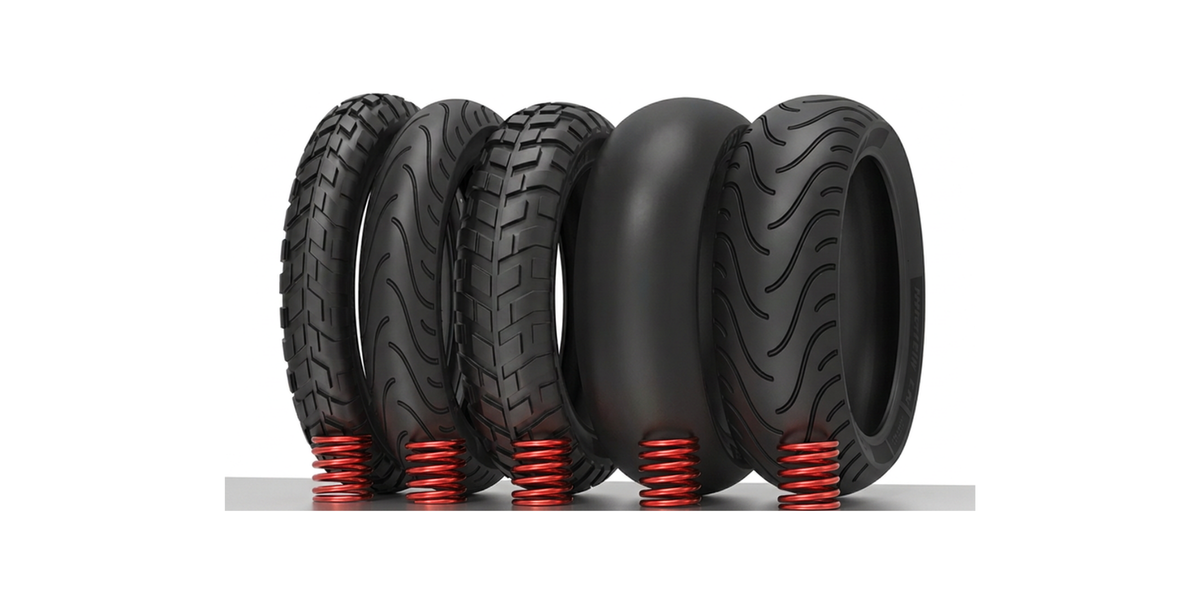
The tire is also a spring. And nobody controls its rebound.
The tire stores and releases energy like a spring, without any internal mechanism to control its rebound. We explain the role of hysteresis, inflation pressure, and why the Oversuspension Gravitati...
Read more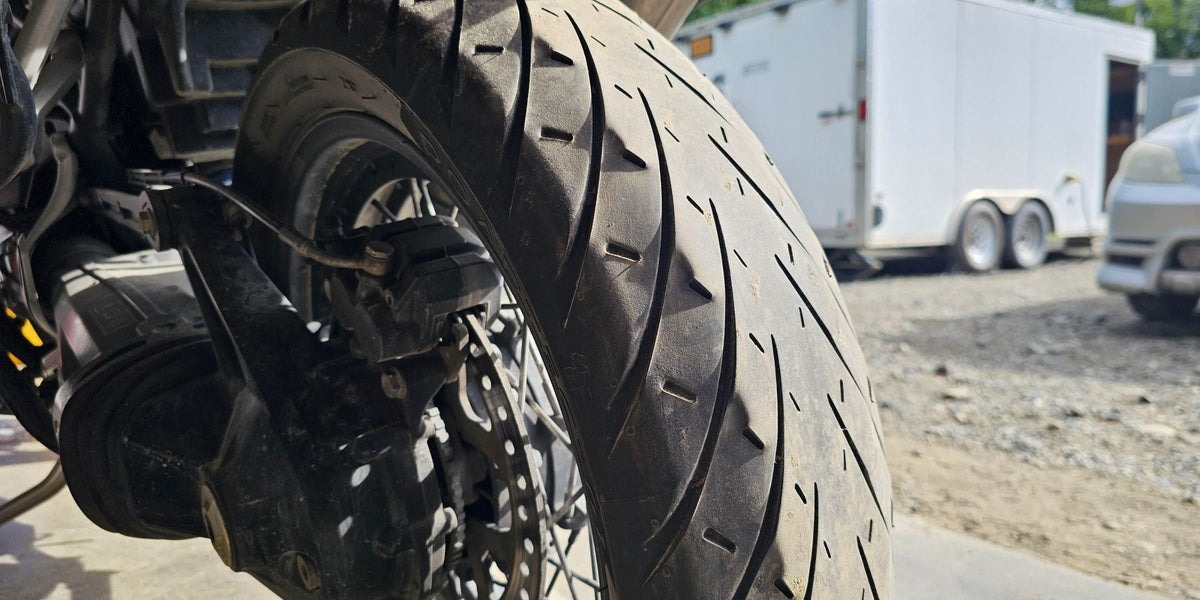
Cupping: why your tire wears unevenly (and it's not always the pressure)
Irregular tire wear—cupping or scalloping—doesn't always stem from pressure or wheel bearings. We explain why tire bounce creates this pattern and how constant contact reduces it.
Read more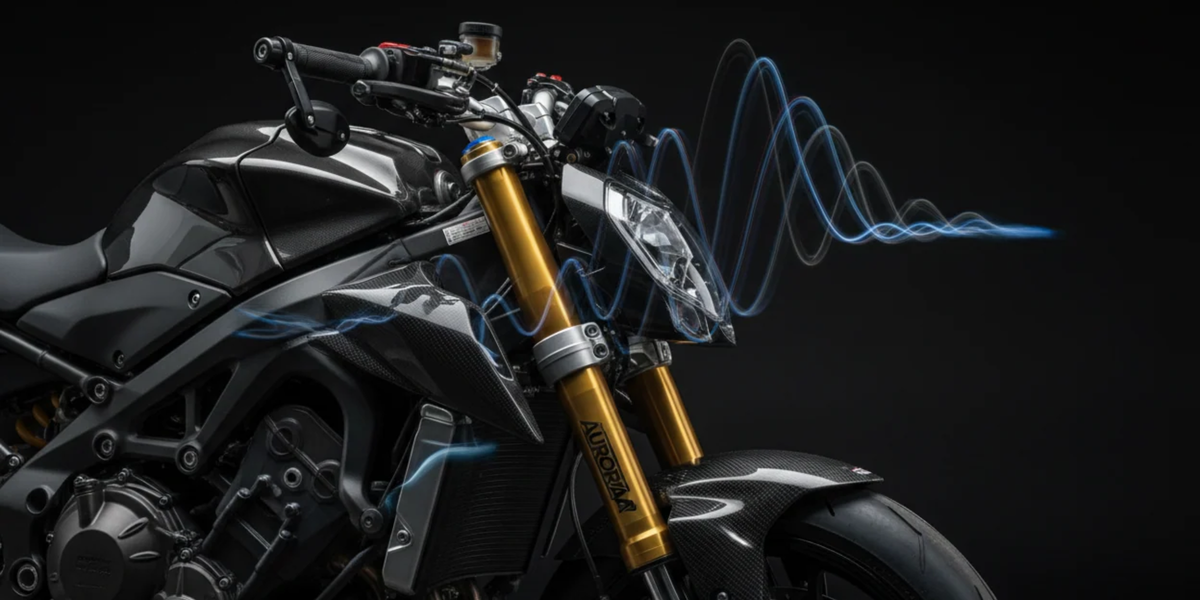
Chattering, shimmy, and bounce: three vibrations that are often confused (and are not the same)
Chattering, shimmy, and rear tire bounce are constantly confused, even though they are three distinct phenomena. We explain what each one is, where it occurs, and why each has its own solution.
Read more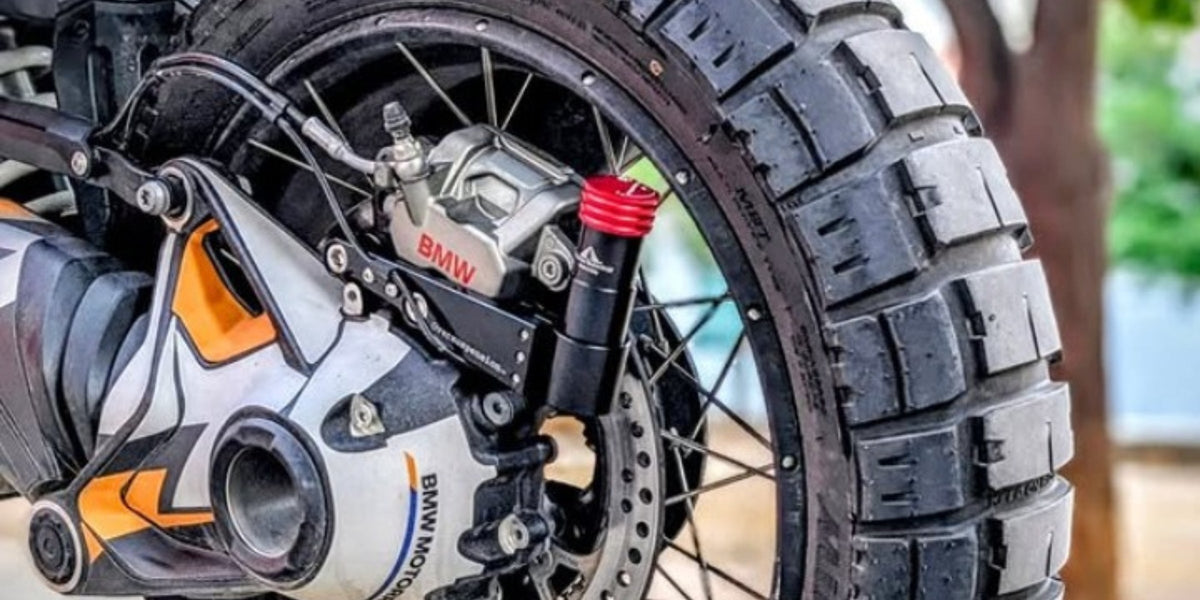
Why your motorcycle bounces more than usual: causes and what's really happening
When a motorcycle bounces excessively, the first thing we look at is the suspension. But excessive bouncing doesn't always come from there. The tire has its own elasticity and generates forces that...
Read more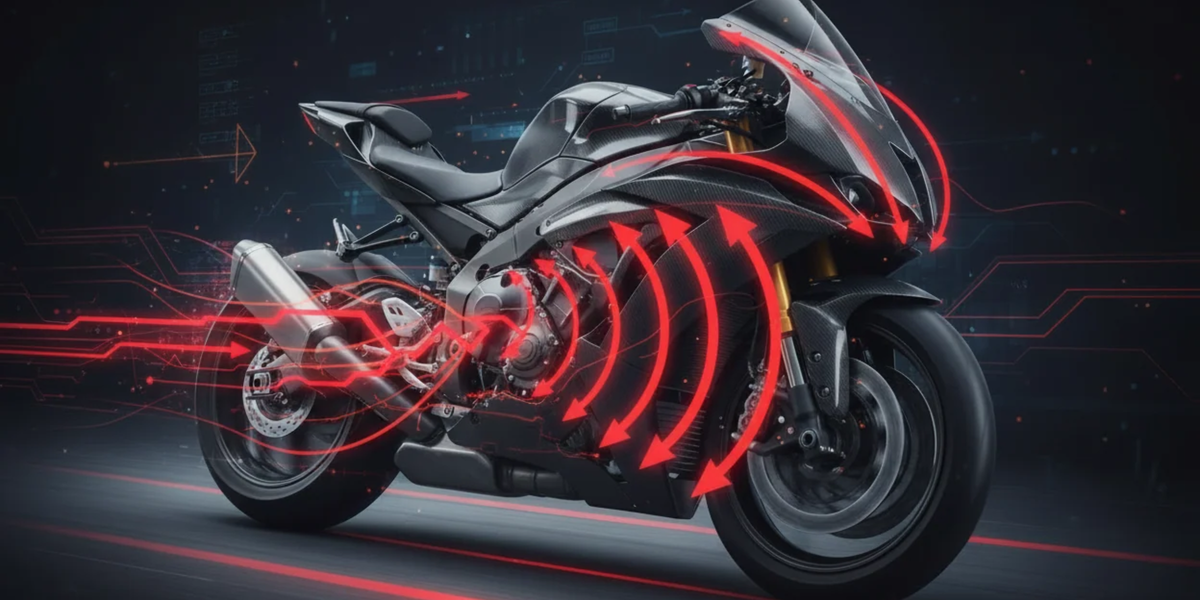
You’ve balanced the wheels, checked the chain and mounts, and your motorcycle still vibrates when accelerating. We’ll explain the cause that doesn’t appear in conventional diagnostics: tire bounce.
Read more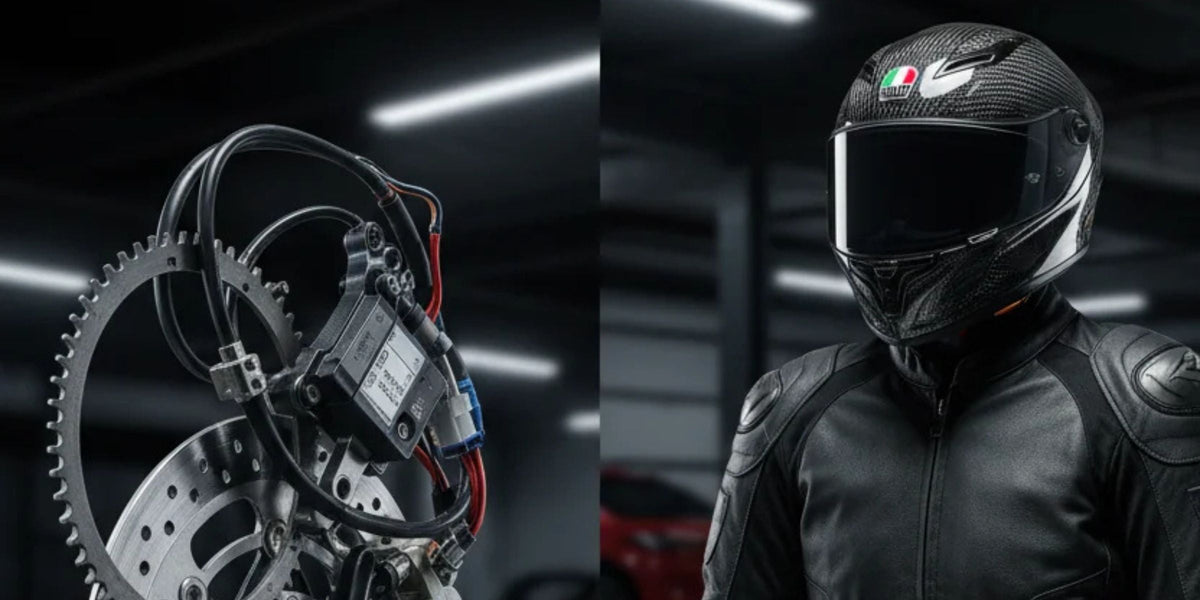
Passive safety, active safety, and Oversuspension: where each one fits
The helmet and airbag act during an accident; the ABS when you lose control. Oversuspension works a step earlier: it keeps the tire on the ground, the condition that active safety needs to function.
Read more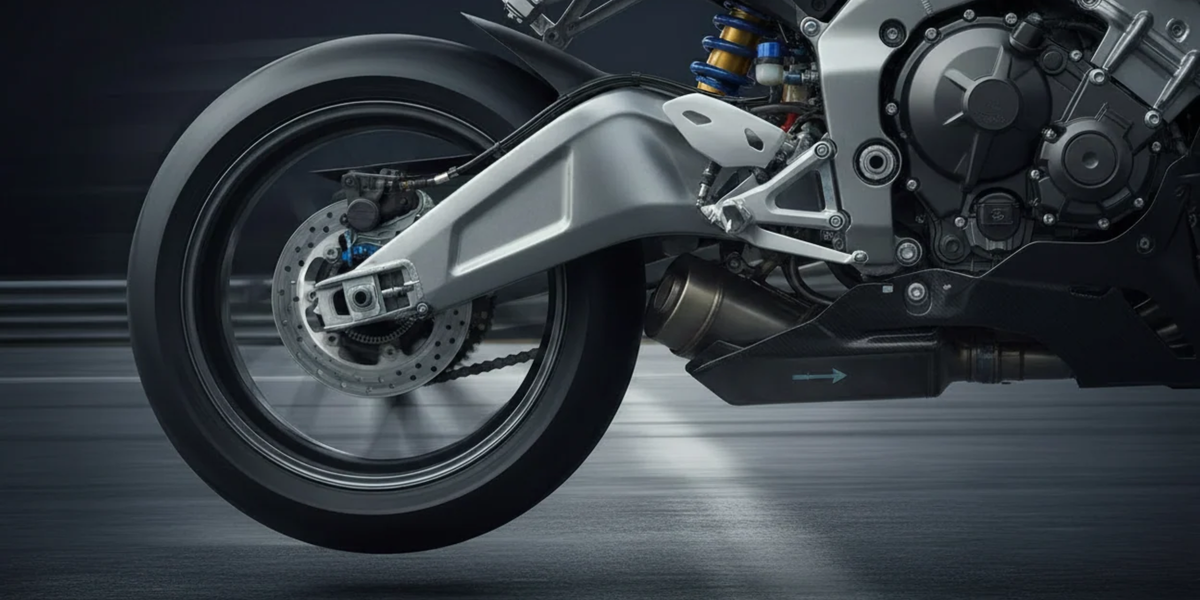
The motorcycle's natural pitch center is the swingarm pivot. During the phase when the wheel lifts off the ground, the pitch center migrates towards the front wheel. When the swingarm fully extends...
Read moreBlog posts
The price of the rebound: what it costs you in money, in safety, and in your own body
Rear-wheel bounce comes with three invisible costs: wear and tear on tires, drivetrain, and suspension; loss of traction, braking, and stability; and the physical fatigue the vibration leaves in yo...
Read moreWhy did nature solve this before engineering
The peregrine falcon applies aerodynamics it never studied. We explain why physics works whether we understand it or not, and how changing the point of observation solved the tire bounce.
Read moreResonance: the force that collapses bridges and the one that keeps you glued to the ground
Resonance destroyed the Tacoma Narrows Bridge in 1940. The same physical principle, in anti-phase, is what keeps your tire glued to the road. Here is how.
Read more
free returns

lifetime warranty

try it 93 days

payment in installments