
Two systems, one goal
Frequencies: Suspension works slowly, the problem occurs quickly
Every motorcycle suspension has a natural oscillation frequency, determined by the mass of the assembly and the spring's stiffness. This frequency defines how the motorcycle feels when riding, and moving outside the correct range has very specific consequences.
With frequencies below 1 Hz, the suspension feels extremely slow and stiff. The motorcycle doesn't absorb bumps well and can even lose contact with the ground instead of following the terrain. With frequencies above 3 Hz, the opposite happens: the suspension becomes bouncy or floaty, the motorcycle rebounds excessively, leading to instability and loss of traction.
That's why each type of motorcycle is calibrated within a specific range. Street bikes aim for something between 1.2 and 1.8 Hz, enough to filter out road irregularities without losing control in corners. Sport and track bikes go up to 2.0 and 2.5 Hz, prioritizing agility and rider feedback over comfort. Enduro and off-road bikes drop to 1.0 and 1.5 Hz, designed to absorb harsh impacts and big jumps without transferring all that violence to the chassis.
That's the working range of the suspension. And in all cases, it's a slow range.
Why tire rebound exists on a different timescale
Everything above describes how the chassis-spring assembly oscillates. But there's a different phenomenon occurring at the same time, several steps faster: the elastic rebound of the tire itself.
When the rubber impacts an irregularity and the compressed air releases that energy, the up and down cycle doesn't occur at 1 or 2 Hz. It occurs on a much broader timescale, where the frequencies involved can multiply several times the range in which the suspension operates.
No system calibrated to move between 1 and 3 Hz can react in time to something that vibrates in such a broad and much higher frequency range. It's not a manufacturing defect. It's a physical limitation of any hydraulic system designed to manage another scale of movement.
The Oversuspension range: 2 to 35 Hz
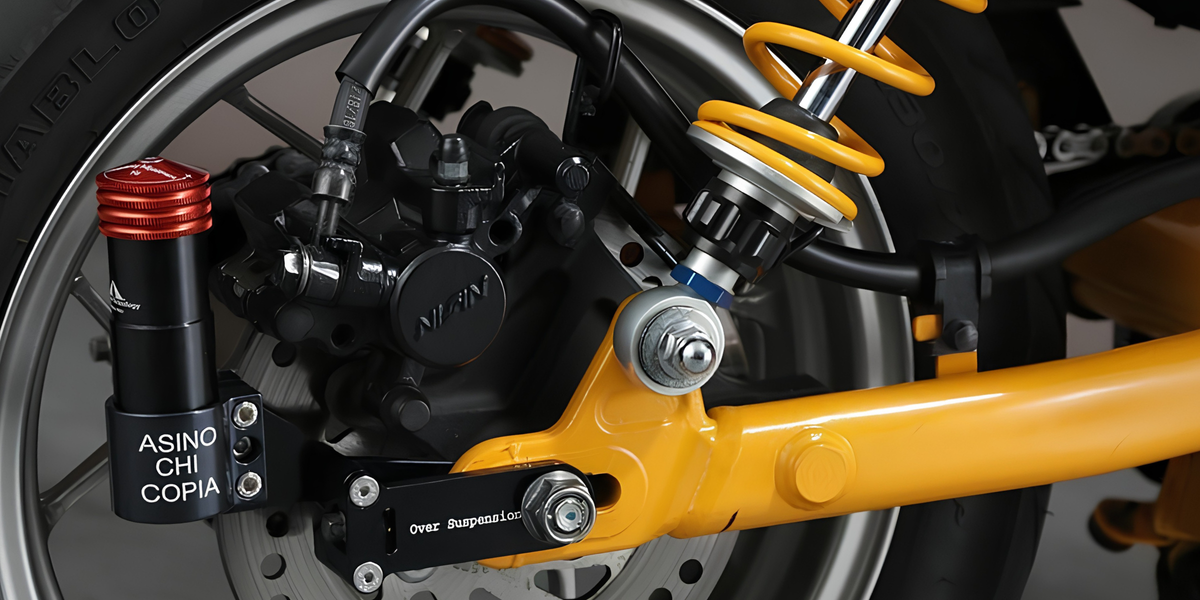
The Gravitational Resonator is calibrated to operate between 2 and 35 Hz, a band that starts precisely where conventional suspension begins to fall short and extends far beyond it. It doesn't compete with the suspension or replace it. It acts exactly where the suspension, by design, cannot reach.
Below 2 Hz, the problem already belongs to the realm that the suspension manages reasonably well: weight transfers, progressive compressions, broad undulations of the asphalt. Above 35 Hz, we enter very high-frequency vibrations more associated with structural chassis resonances than with actual tire lift-off.
Between these two limits is exactly the range where the compressed air in the tire releases its energy most violently and unpredictably.
The adjustment: moving within that range
The spring preload of the Resonator allows the working point to be shifted within that 2 to 35 Hz band.
Loosening the preload reduces the energy the mass needs to oscillate. The system becomes more sensitive, responding with more cycles per second, towards the upper end of the range. This is the appropriate setting for asphalt with frequent, small amplitude irregularities.
Increasing the preload requires more energy to move the mass. The system responds with fewer cycles per second, towards the lower end of the range. This setting is designed for isolated impacts of greater amplitude, such as isolated potholes or sudden changes in the asphalt layer.
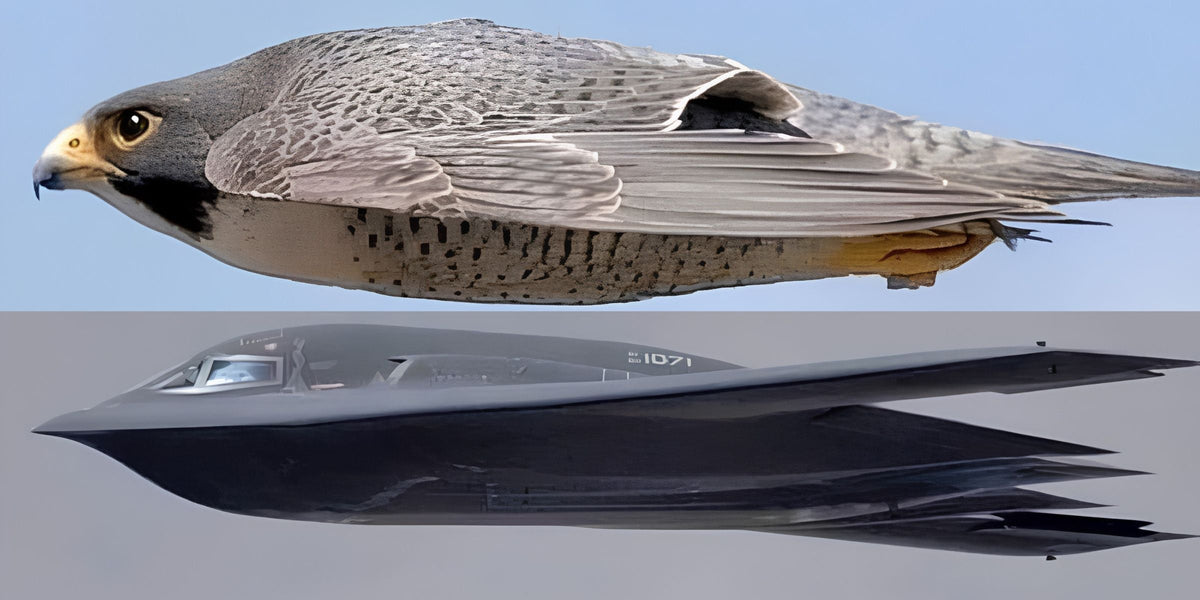
Two systems, two speeds, one common goal
The suspension manages the general movement of the motorcycle between 1 and 3 Hz. The Gravitational Resonator manages tire rebound between 2 and 35 Hz, a range that slightly overlaps with the upper limit of the suspension and extends far beyond what it can manage.
These are not competing systems. They are two responses calibrated for different timescales within the same physical problem: keeping the tire in contact with the asphalt.
When both work within their respective ranges, the motorcycle-rider combination no longer has that gap between what the suspension can do and what happens too quickly for it to manage. →FIND YOUR KIT